Buying guide
Best tVNS device 2026: the six electrical options, compared
If you searched for tVNS rather than "vagus nerve device", you already know the category. So this guide starts with the thing most roundups blur: which of these devices actually deliver electrical stimulation, and which are something else wearing the same label.
The short answer
Best overall: Pulsetto, $259. Cervical, hands free, sessions from four minutes. The cheapest way to find out whether you respond to this at all.
Best evidence: Nurosym, $900. The only device here whose hardware is named in the methods of a sham controlled trial. Costs an hour a day.
Fastest session: Truvaga Plus, $499. Two minutes, handheld, from the company behind the FDA cleared gammaCore.
Cheapest: Hoolest VeRelief Prime, $199. Pocket sized handheld with a gel tip.
Disclosure: Vagus Lab may earn a commission if you buy through links on this page. It does not change how we score devices. Our method is published and applied the same way to devices we have no commercial relationship with.
What counts as a tVNS device, and what does not
tVNS means transcutaneous vagus nerve stimulation: a small electrical current delivered through the skin to a branch of the vagus nerve. Transcutaneous means through the skin, which distinguishes it from the implanted stimulators used in epilepsy care.
Two of the best known products sold in this category are not tVNS at all, and any roundup that ranks them alongside the electrical devices is answering a different question from the one you asked:
- Sensate. Infrasonic vibration on the chest, not electrical stimulation.
- Apollo Neuro. Vibration on the wrist or ankle, not electrical stimulation.
They may still be worth owning. They are just not what the research on transcutaneous vagus nerve stimulation is about, so they are left out below.
The six, side by side
| Device | Price | Site | Session |
|---|---|---|---|
| Pulsetto | $259 | Cervical (neck) | 4 to 20 minutes depending on program |
| Nurosym, sold as Nuropod in the US | $900 | Auricular (ear) | 30 to 60 minutes, daily |
| Truvaga Plus | $499 | Cervical (neck) | 2 minutes |
| Xen by Neuvana | $449 | Auricular (ear) | Variable, paired with audio |
| Vagustim V2 | $419 | Auricular (ear) | Program dependent |
| Hoolest VeRelief Prime | $199 | Cervical (neck) | Short, intensity dependent |
Prices checked with each vendor in July 2026. They move, so treat them as a starting point.
The six, ranked
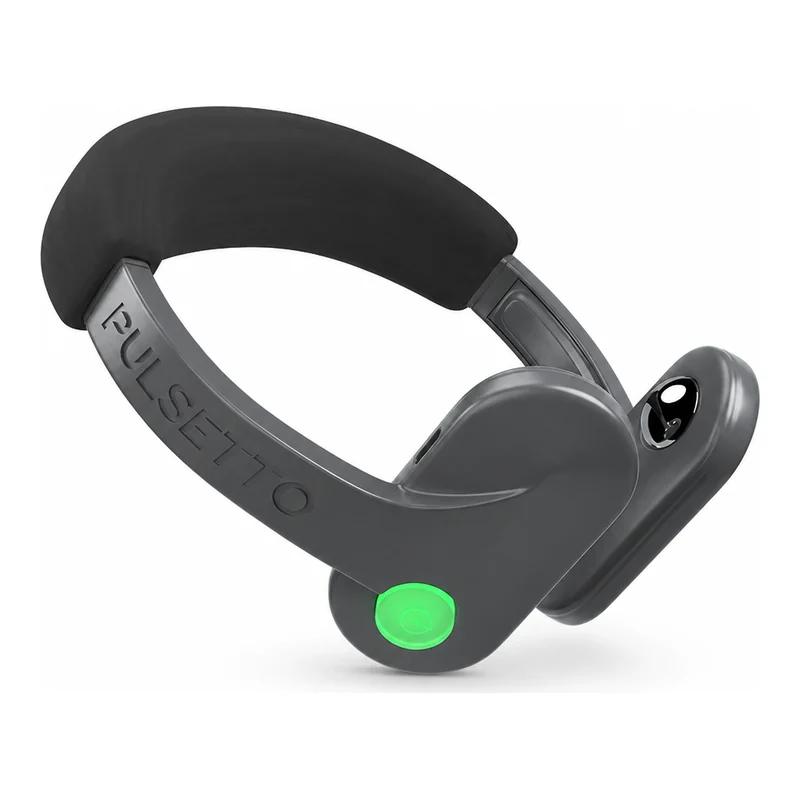
1. Pulsetto
$259Cervical (neck). Worn band, both sides of the neck, hands free.
Best for: Most people starting out. Lowest friction and the cheapest way to find out whether you respond at all.
Watch out: Needs the phone app to run. No published trials name this device specifically.
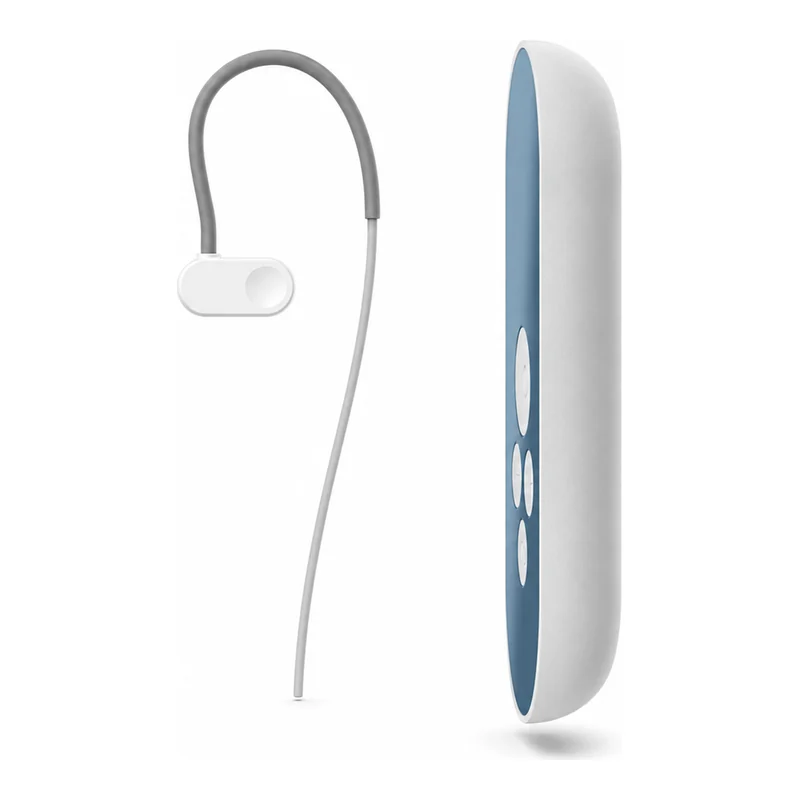
2. Nurosym, sold as Nuropod in the US
$900Auricular (ear). Wired clip on the ear tragus.
Best for: People buying the published record. Its hardware is named in the methods of a sham controlled trial.
Watch out: The daily hour is the real cost. The clip does not stay on every ear shape.
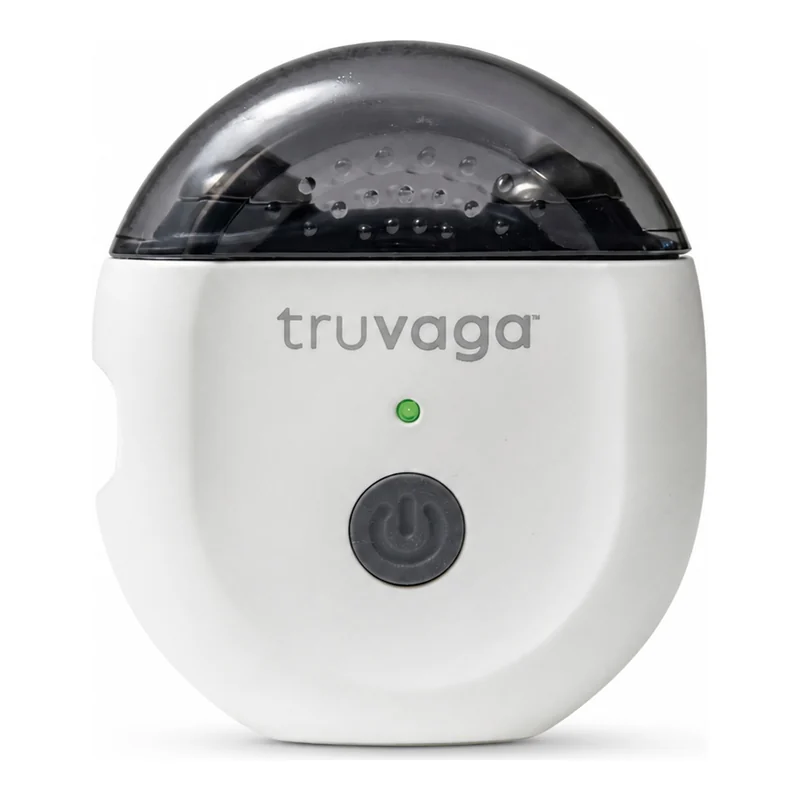
3. Truvaga Plus
$499Cervical (neck). Handheld, pressed to one side of the neck.
Best for: The shortest session of any device here, from the company behind the FDA cleared gammaCore.
Watch out: One sided stimulation, handheld rather than worn, and twice the price of Pulsetto.
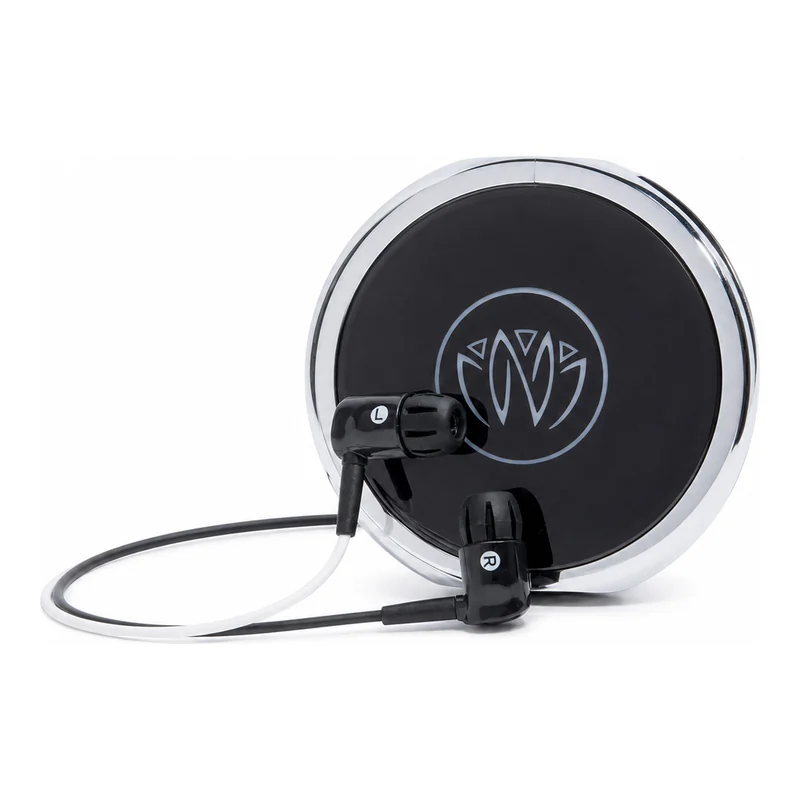
4. Xen by Neuvana
$449Auricular (ear). Wired earbuds, syncs stimulation to music.
Best for: People who want the session to be enjoyable rather than clinical.
Watch out: Short battery life and the least evidence of the electrical devices here.
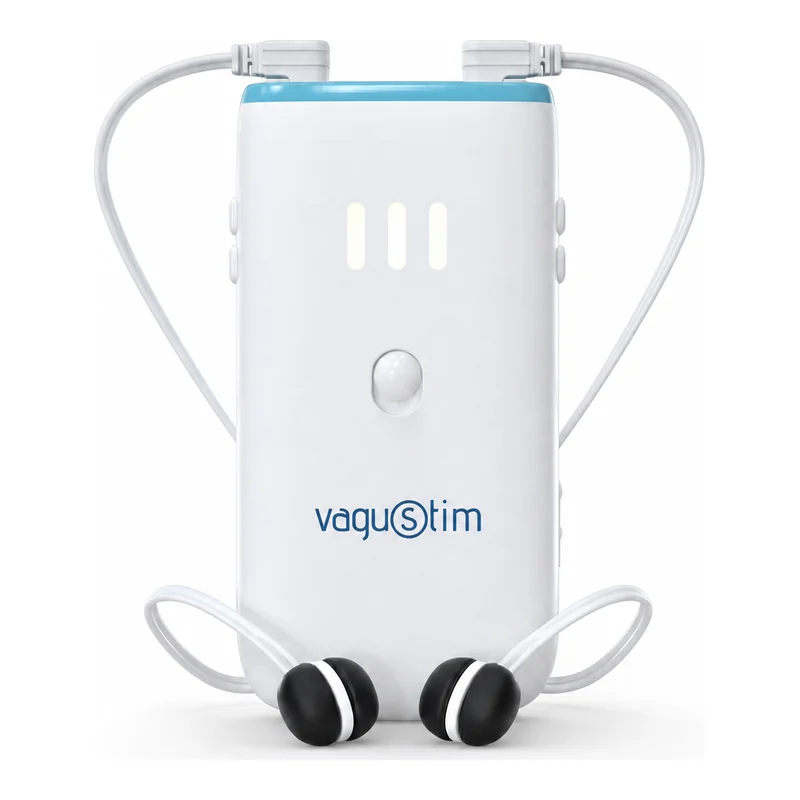
5. Vagustim V2
$419Auricular (ear). Ear pieces with an app, four stimulation modes.
Best for: People who want mode selection and tracking at a mid price.
Watch out: Public feedback on the earpiece comfort and app quality is mixed.
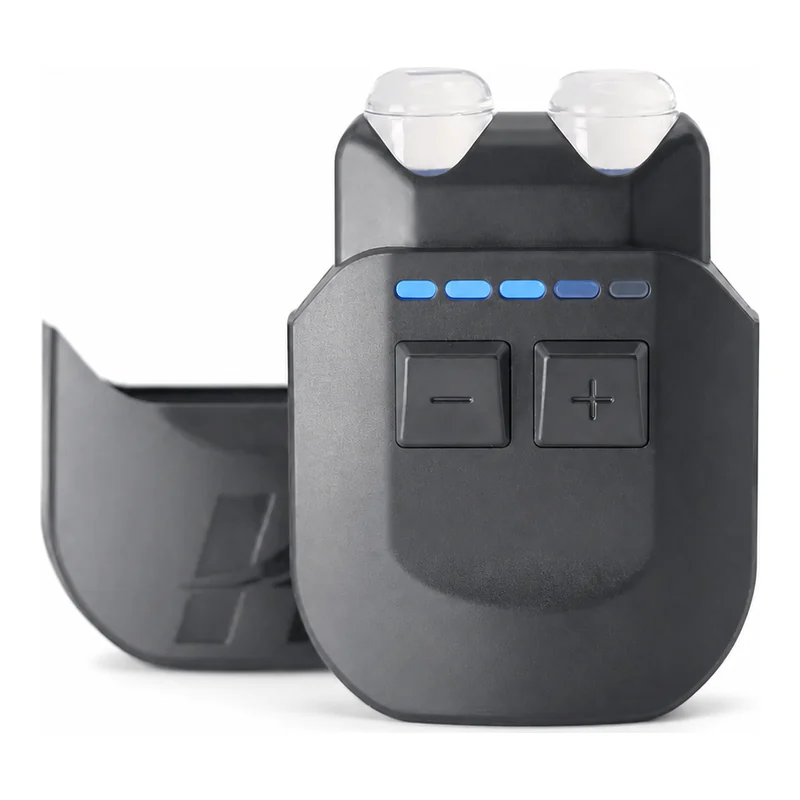
6. Hoolest VeRelief Prime
$199Cervical (neck). Pocket sized handheld with a gel tip.
Best for: The cheapest true electrical option, and the most portable.
Watch out: Handheld means you hold it. Sold as a general wellness product with no device specific trials.
Ear or neck, and which the research supports
The two families split by where they reach the nerve, and it is the most consequential choice on this page.
Auricular, at the ear. This is where most published transcutaneous research has been done, on the auricular branch at the tragus. If you are buying because you read the studies, this is the family those studies describe.
Cervical, at the neck. The nerve runs as a thicker trunk here, and worn devices can reach both sides at once. Less published record, far easier to actually use: shorter sessions, hands free, no wire.
The trade is straightforward. The ear has the evidence. The neck has the adherence. A protocol you stop doing in week two has an effect size of zero whatever the literature says, which is why our overall pick is a neck device even though the ear has the deeper record.
How to choose in one minute
If you have never tried one: take the cheapest true electrical device that you will actually use daily. That is Pulsetto at $259, or Hoolest at $199 if you do not mind holding it.
If the published record is the point: Nurosym. Accept the hour a day, or do not buy it.
If you have no time at all: Truvaga Plus at two minutes a session.
If your nervous system runs sensitive: start with a short session on a low intensity whichever you choose, and increase slowly. Over stimulation is a real and reported response, not a sign the device is faulty.
Everything here is a general wellness product apart from Nurosym, which carries CE medical device certification in Europe. None of them treats anything, and none replaces care from a clinician. If you have an implanted electronic device, check our safety guide before buying anything.
Frequently asked questions
Transcutaneous vagus nerve stimulation: a small electrical current delivered through the skin to a branch of the vagus nerve, either at the ear or the neck. Transcutaneous means through the skin, as opposed to the implanted form used in epilepsy care. Devices that use vibration or sound are not tVNS.