Device review
Sensate review: lovely to use, and not what most buyers think it is
Our verdict
Sensate 2: around $398
The most immediately pleasant device in this category, with the longest return window of any of them at 90 days. Two things to know before you buy: it is not electrical vagus nerve stimulation, and it is not the budget option people assume it is.
Best for people who want something reliably calming and will use it because it feels good.
Not for anyone buying because they read about vagus nerve stimulation research, because that research is about a different mechanism.
What it actually does
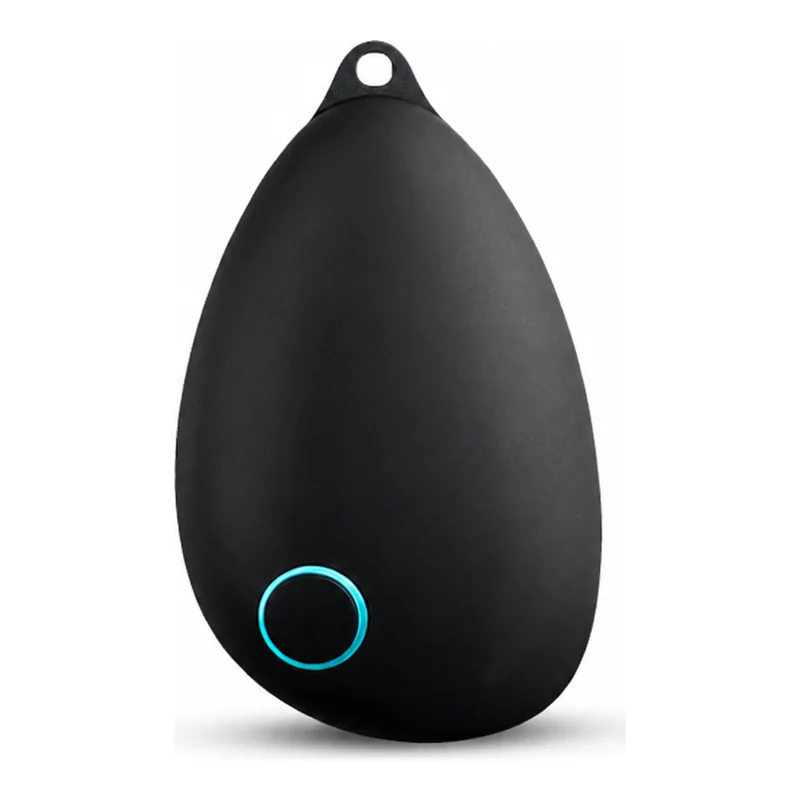
Sensate is a smooth pebble shaped device that rests on your sternum and emits infrasonic vibration, sub-audible sound waves you feel rather than hear, paired with soundscapes through the app. It is genuinely calming, close to meditative, and the nicest of these devices to spend twenty minutes with.
It is not a transcutaneous vagus nerve stimulator. That term means a small electrical current applied to a branch of the nerve at the ear or the neck. Sensate delivers no current at all. The company positions the vibration as engaging the vagus nerve indirectly through the relaxation response, which is a reasonable description of what it is doing and a different thing from what the tVNS literature studied.
This matters because the two get shelved together constantly, including by us in a six device roundup. If you came to this category because you read about vagus nerve stimulation trials, none of that evidence applies here.
The evidence, and some credit where it is due
Sensate publishes one study report on its own site, from Maastricht. Twenty five adults aged 25 to 65 used the device daily for two weeks and completed questionnaires on stress, anxiety, sleep and well-being. The headline figures the company quotes are more than an hour of additional sleep and half an hour less time falling asleep.
Now the part that deserves acknowledgement. The document says this about itself, in its own words:
This study is a pilot study, so the sample size is small, and there is no control group.
That is a more honest self assessment than most companies in this category manage. It does not turn the study into strong evidence. Twenty five people, two weeks, no control arm and self reported outcomes is the weakest common design, and it is not published anywhere indexed. But they published it, and they flagged its limits themselves, which is worth more than a page of institution names.
For context on how thin the whole field is, our read of the published research covers what does and does not hold up.
The price, which has moved
Sensate is widely described as the affordable option in this category, including previously by us. That is out of date. It lists at £299 in the UK store and €357 in the EU, which converts to roughly $398 at recent rates.
That puts it above Pulsetto at $259 and below Xen at $449. It is a mid priced device, and the mental model of Sensate as the cheap way in is simply wrong now.
Two things do count in its favour on cost. The company states no subscription is required for the essential experience, with a free soundscape library included. And the return window is 90 days rather than the 30 that everyone else offers, which is a materially better deal on a product whose value is entirely about whether you personally find it relaxing.
Specifications
| Price | ~$398 (£299 UK, €357 EU) |
|---|---|
| Mechanism | Infrasonic resonance, not electrical stimulation |
| Placement | Rests on the sternum, paired with audio |
| Session length | 10 to 30 minutes |
| App | Required, includes a free soundscape library |
| Subscription | Optional. The company states none is required for the essential experience |
| Returns | 90 days risk free, per the manufacturer |
| Regulatory status | General wellness product |
| Named in published trials | No indexed publication. One company published pilot report |
Who should buy it
Buy it if what you want is a reliable way to feel calmer for twenty minutes and you will actually use it because the experience is pleasant. On that specific promise it is the best device we cover, and the 90 day window means you can find out at low risk.
Do not buy it if you are here because of the vagus nerve research. That evidence is about electrical stimulation and does not transfer to this.
Consider instead: Pulsetto at $259 for actual electrical stimulation at a lower price, or the full list of electrical devices.
Frequently asked questions
Not in the electrical sense. Sensate uses infrasonic resonance, sub-audible vibration transmitted through the sternum, and the company positions this as engaging the vagus nerve indirectly through the relaxation response. Transcutaneous vagus nerve stimulation means a small electrical current applied at the ear or neck, which is a different mechanism and the one the research literature is about.