Device review
Apollo Neuro review: the device this category underestimates
Our verdict
Apollo Neuro: $448
Two things are true at once, and most coverage of this device only gets to the first. Apollo is not a vagus nerve stimulator, it is a vibrotactile wearable. It also has more published research naming the device itself than any electrical device in this category, including the ones that sell on their research record.
Best for people who want something worn all day with no session to schedule, and who care that the company has actually studied its product.
Not for anyone specifically seeking electrical vagus nerve stimulation, or anyone who does not want to charge a device daily.
First, what it is not
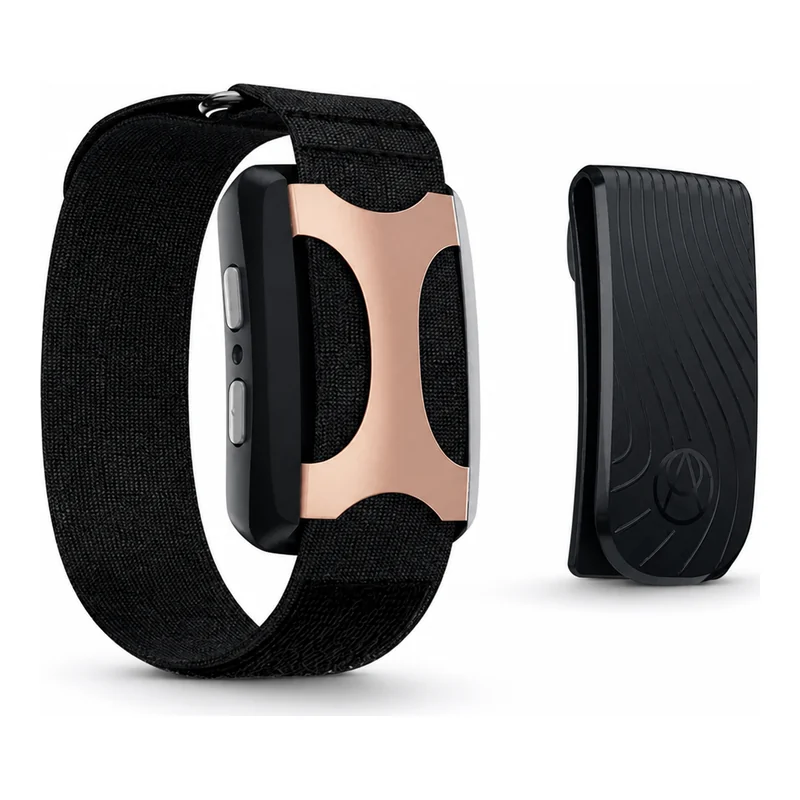
Apollo delivers gentle vibration to touch receptors on the wrist or ankle. It does not pass any current through your skin, and it does not target the vagus nerve at the ear or the neck the way a transcutaneous stimulator does.
It gets shelved next to vagus nerve devices constantly, including in our own six device roundup, and that is a genuine source of confusion. If you arrived here because you read about tVNS trials, none of that literature applies to Apollo. Different mechanism, different evidence base.
Now the part that surprised us
We check every device in this category against PubMed rather than against its own marketing. For most of them the answer is nothing: no indexed study names Pulsetto, Truvaga, Xen, Sensate, Vagustim or Hoolest. Only Parasym's device, sold as Nurosym and Nuropod, shows up.
Apollo shows up more than any of them. A search for the device returns seventeen records, and these are studies naming the Apollo wearable in indexed journals:
| Journal | Date | Subject |
|---|---|---|
| American Journal of Medicine | Dec 2025 | Wellbeing and burnout in medical and pharmacy students, randomized |
| Journal of Rheumatology | Feb 2025 | Fatigue, Raynaud phenomenon and quality of life in systemic sclerosis |
| JMIR mHealth and uHealth | May 2026 | Duration of vibratory stimulation and its association with sleep |
| Journal of Psychiatric Research | Nov 2025 | Anxiety in participants undergoing ketamine assisted therapy |
Read that carefully, because it cuts both ways. It does not mean vibration works better than electrical stimulation, and it certainly does not make Apollo a vagus nerve device. Several of these studies are small or open label, which is the same limitation the rest of the field has.
What it does mean is that this company has done the unglamorous thing its competitors mostly have not: put its own product into trials and got them published, rather than gesturing at the institutions that study the underlying science. On the specific question of whether a manufacturer has tested the thing it sells, Apollo is at the top of this category rather than the bottom.
Specifications
| Price | $448, bundled with a SmartVibes membership |
|---|---|
| Mechanism | Vibrotactile, not electrical stimulation |
| Placement | Worn on the wrist or ankle |
| Session | Modes run in the background, no sit down session required |
| Modes | Seven SmartVibes modes including energy, focus and sleep |
| Battery | 6 to 10 hours, the shortest in this roundup |
| Integrations | Oura Ring |
| Regulatory status | General wellness product |
| Named in indexed publications | Yes, four and counting |
Where it falls short
The price. At $448 it is one of the more expensive options here, and more than most true electrical devices. Pulsetto is $259.
The membership. The wearable is sold bundled with a SmartVibes membership and the modes run through the app. If you want something that just runs, this is the wrong architecture.
The battery. Six to ten hours, the shortest of any device we cover. That is the price of a device meant to be worn all day rather than used in sessions, and it means charging it daily.
Who should buy it
Buy it if the all day format appeals more than sitting down for a session, and if it matters to you that the manufacturer has published research on the actual product.
Do not buy it if you specifically want electrical vagus nerve stimulation. Buying Apollo for that reason is buying the wrong category.
Consider instead: the alternatives split by what you actually wanted, or the electrical devices if that is what you were after.
Frequently asked questions
No. It delivers vibration to touch receptors on the wrist or ankle. Transcutaneous vagus nerve stimulation means a small electrical current applied at the ear or neck. Apollo gets grouped with those devices constantly, including in our own roundup, but the mechanism is different and the tVNS research does not transfer to it.