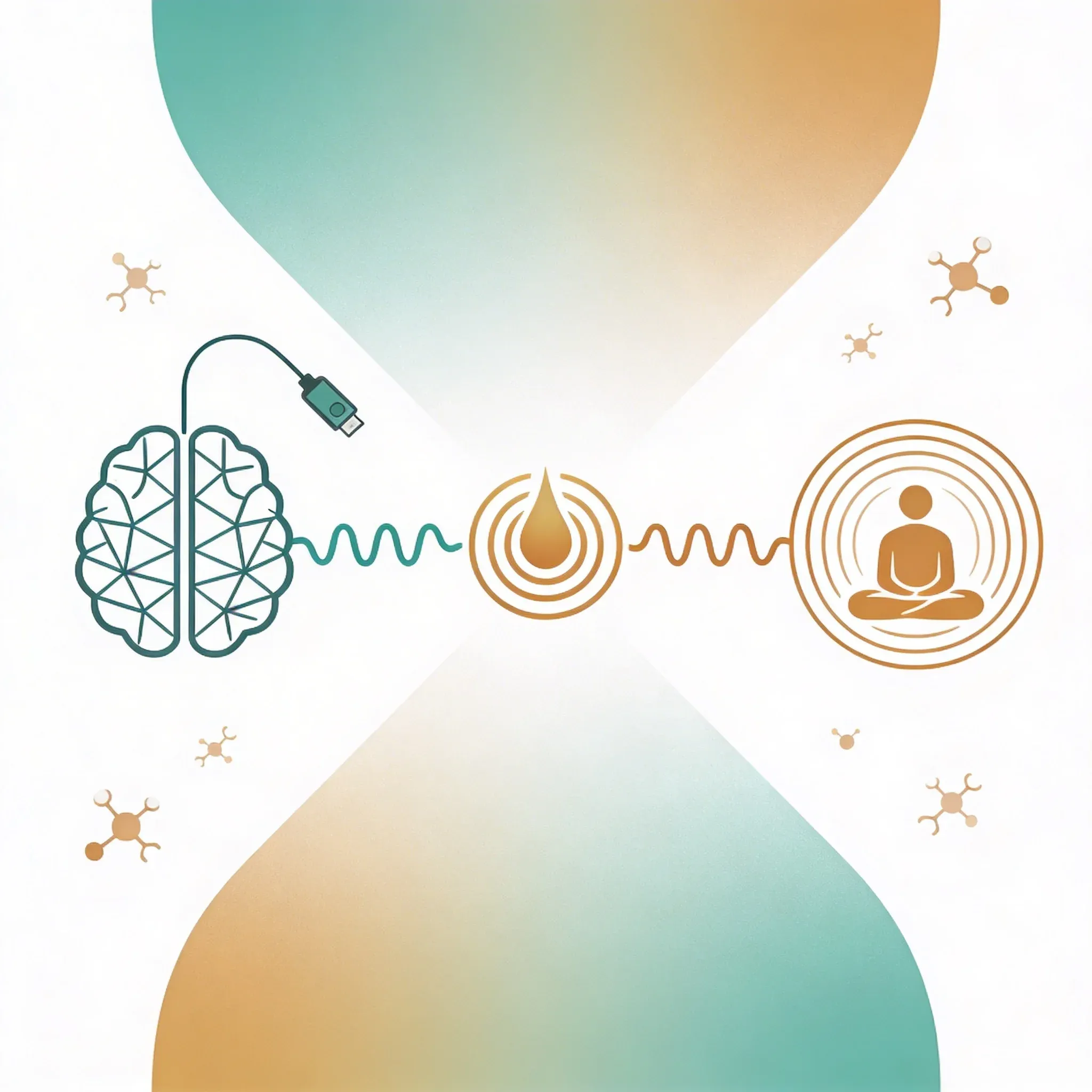
VNS vs Meditation: Which Sharpens Your Focus Better?
That afternoon slump when your brain feels like molasses? When you can't seem to hold a thought for more than thirty seconds? You're not imagining it—your focus really is shot. Two different approaches promise to sharpen that mental edge: vagus nerve stimulation (VNS) devices and meditation practice. Both activate your body's main relaxation pathway through different routes. Research suggests both may improve attention and memory. But they work on completely different timelines and demand different levels of commitment.
Direct Routes to Brain Enhancement: How Each Method Works
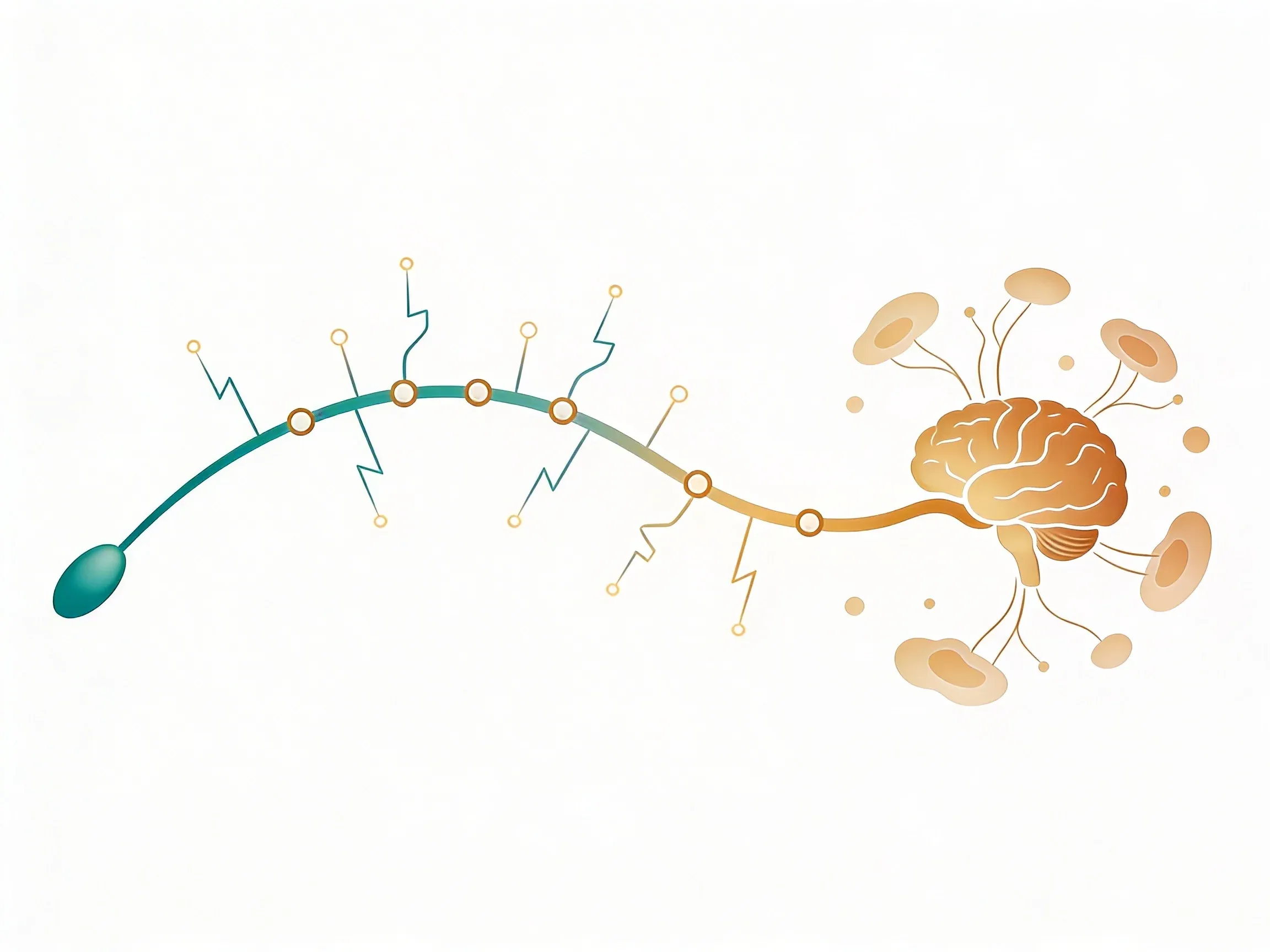
Meditation builds lasting focus through neuroplastic changes that develop over weeks and months. When you practice controlled breathing techniques like those found in pranayama, you're doing self-directed neuromodulation1. Deep, rhythmic breathing activates the respiratory vagal stimulation pathway, sending signals up to your brain that promote brain plasticity changes2. Your heart rate variability increases, stress hormones drop, and brain connectivity improves gradually through consistent practice.
VNS achieves immediate cognitive activation through direct electrical stimulation delivered via ear electrodes. This bypasses the need to master breathing techniques or maintain meditative focus. Research suggests VNS may improve certain cognitive tasks compared to fake stimulation within minutes to hours3. The effects work through targeted neural pathway activation that boosts short-term alertness while also promoting longer-term brain plasticity changes.
The key difference: Meditation is like learning to play an instrument—you're developing neural pathways through practice that become automatic over time. VNS is like using a perfectly tuned instrument—you get immediate results but depend on the external tool for consistent performance.
Cognitive Strengths: Where Each Approach Excels
Meditation builds sustained attention through gradual strengthening of prefrontal cortex networks. Studies indicate it improves your ability to focus on one task for long periods while developing meta-cognitive awareness—the skill of noticing when your mind wanders and bringing it back. This makes meditation particularly effective for tasks requiring deep, uninterrupted concentration.
VNS enhances executive function through immediate neural circuit activation. Research suggests it may be more effective for tasks needing quick decision-making and mental flexibility. Some studies suggest it boosts emotion recognition and social cooperation—key components of working well with others4. This makes VNS especially useful for complex, multi-tasking environments.
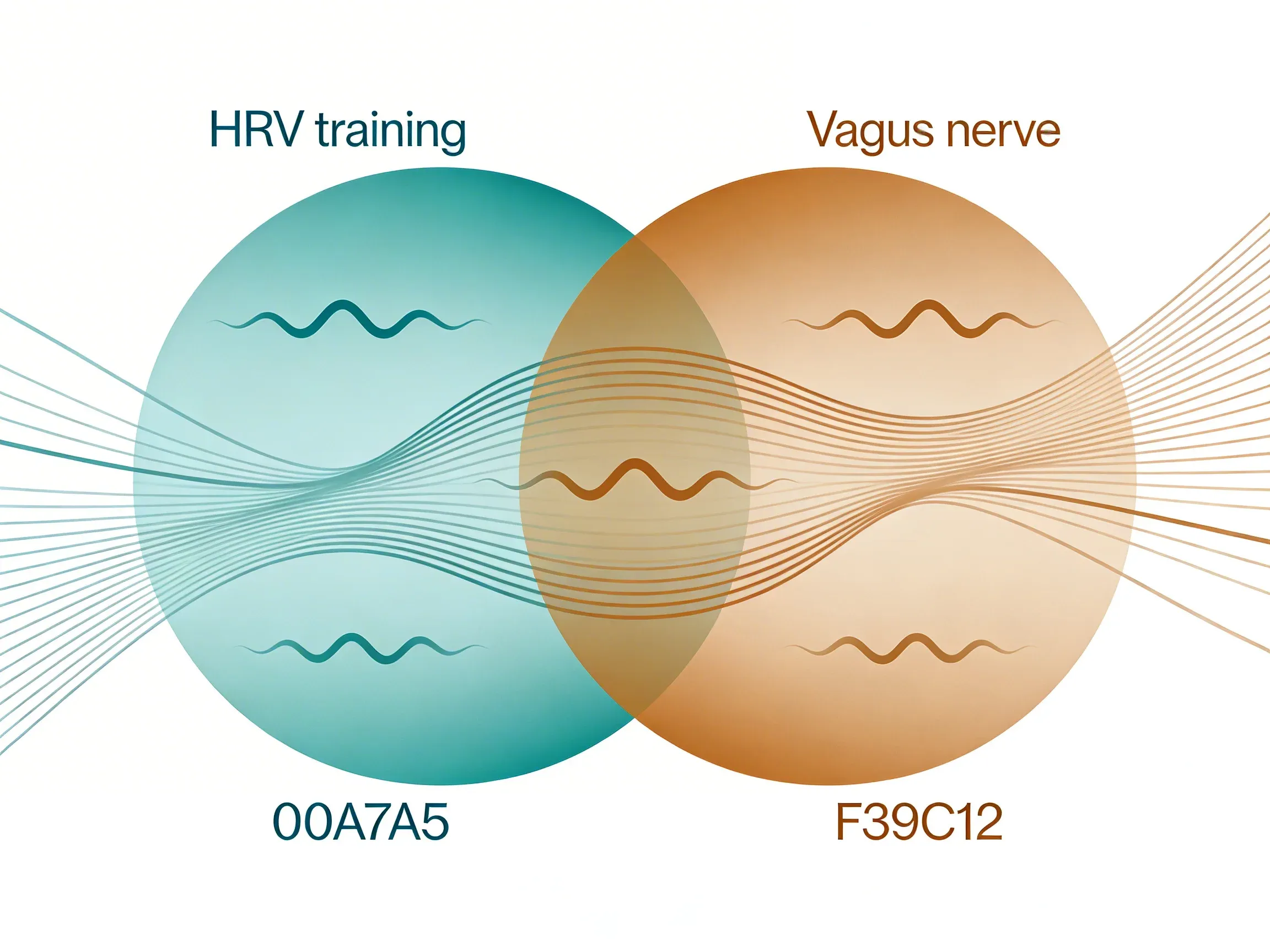
Both approaches build strong vagal tone, which serves as both a marker and driver of sharper thinking while supporting steadier emotion regulation and optimized mental arousal4. Whether you develop that tone through breathing practices or external stimulation, the end result involves similar brain changes—just achieved through different mechanisms and timelines.
Timeline and Practical Considerations
Meditation works on a 4-8 week timeline for noticeable mental benefits. While you may feel calmer after a single session, improvements in sustained attention, working memory, and emotional regulation typically emerge after weeks of regular practice. The advantage: you're building a skill that works anywhere, anytime, without equipment.
Research suggests VNS may create changes in attention and alertness within minutes to hours. You might notice improved focus or mood during or shortly after a stimulation session. The advantage: reliable results without the learning curve. The downside: dependence on a device and ongoing costs.
Both approaches seem to promote long-term brain plasticity, but we need more research to understand how their effects compare over months and years.
Can You Combine Both Methods?
Absolutely. Many people find that using VNS devices helps their meditation practice, especially in the beginning when learning to focus can be challenging. The device provides quick vagal activation while you're building the skills to achieve it naturally.
Some practitioners use VNS during meditation sessions to deepen the experience. Others alternate—using devices for quick mental boosts during busy periods while relying on breathing practices for longer-term nervous system regulation.
The combination approach makes sense from a brain plasticity perspective. You're activating the same pathways from multiple angles, potentially speeding up the brain changes that improve mental performance.
For the best results, try this approach: Start with VNS for 2-3 weeks to experience immediate benefits and create a foundation of nervous system regulation. Then gradually add 10-minute meditation sessions while continuing 20-minute VNS sessions. This gives you quick wins while building longer-term skills.
Key takeaway: For pure sustained attention, meditation may have the long-term advantage. For quick cognitive boosts and mental flexibility, VNS shows more immediate promise. The combination approach may offer the best of both worlds.
Which Should You Choose?
The best choice depends on your goals, lifestyle, and preferences. Consider meditation if you want to build a lifelong skill that works anywhere and costs nothing after the initial learning investment. It's particularly good for sustained attention and emotional regulation.
Consider VNS devices if you need more immediate cognitive support or struggle to maintain a regular meditation practice. They're especially useful for people with demanding schedules who want reliable results without the learning curve.
You might also consider your current stress level. If you're dealing with chronic stress that makes meditation difficult, starting with VNS might help calm your nervous system enough to make breathing practices more accessible later.
Talk to your doctor before starting any new wellness practice, especially if you're taking medications that affect brain function.