Can Ear Stimulation Really Reduce Chronic Pain?
That stabbing migraine that laughs at your medication cabinet? The back pain that makes every morning a battle? You've probably tried everything from pills to procedures. But researchers are now studying something unexpected: vagus nerve stimulation (VNS) through the ear and neck. Early research suggests that VNS may help reduce pain in several ways by controlling inflammation and changing how your brain processes pain signals. Most studies are small so far, but they show promise for migraines and surgery pain1.
Understanding the Pain Problem
Chronic pain affects millions of people who cycle through treatments without lasting relief. Traditional approaches often focus on masking symptoms rather than addressing root causes like inflammation. Many pain medications come with side effects or lose effectiveness over time.
This is where researchers started looking at the vagus nerve differently. Instead of just seeing it as part of digestion or heart function, they began studying its role in pain processing and inflammation control.
The search for non-drug alternatives has led to exploring how this nerve pathway might offer a new approach to pain management - one that works with your body's existing systems rather than overriding them.
How Does Vagus Nerve Stimulation Work for Pain?
Your vagus nerve acts like a specialized communication highway between your brain and body. When you stimulate it, research suggests several things happen that may reduce pain signals.
Here's what happens:
The nerve connects directly to brain areas that handle pain processing. When activated, it may dial down the intensity of pain signals reaching your conscious awareness. Think of it like noise-canceling headphones that filter out pain static before it reaches your brain - the painful signals are still there, but your brain receives a much quieter, less overwhelming version.
The vagus nerve also triggers the release of anti-inflammatory compounds in your body. Many chronic pain conditions involve persistent inflammation that keeps pain cycles active. Research suggests VNS works like sending repair crews to calm inflamed tissues at their source, rather than just blocking the alarm signals they send1.
Studies suggest VNS may improve heart rate variability patterns. This reflects how well your nervous system balances stress and recovery states. Better balance often correlates with improved pain tolerance and management3.
What Pain Conditions Are Researchers Studying?
Scientists are testing VNS for several pain types. The research is still early, but certain areas show more promise based on initial findings.
Migraine headaches appear to be responding well to ear-based VNS in early trials. A 2025 case study examined children using ear stimulation for migraines and found encouraging results. However, larger controlled trials are needed to confirm these initial observations2.
Surgery-related pain represents another active research area. Early studies suggest VNS may help reduce both anxiety and pain in surgical patients. This dual benefit could be particularly valuable since anxiety often amplifies pain perception.
Chronic inflammatory pain conditions are being studied through different VNS approaches. Researchers are testing both ear and neck stimulation techniques to determine which methods work best for different pain types1.
The challenge remains that most studies so far involve small participant groups. This makes it difficult to draw definitive conclusions about effectiveness across broader populations.
What Are the Current Research Limitations?
Before exploring different approaches, it's important to understand what we don't yet know about VNS for pain management.
Study size represents a significant challenge. Most current research relies on small studies and case reports. While a case study of children with migraines provides valuable insights, it cannot determine how well the approach works across all children with migraines2.
Device and protocol variations make comparisons difficult. VNS devices and techniques vary widely between studies, making it challenging to compare results or identify optimal approaches. One study might use ear stimulation at 20Hz while another employs neck stimulation at 25Hz.
Optimal treatment protocols remain unclear. Researchers are still determining the best frequency, duration, and intensity for pain management. What proves effective for migraines may not work for arthritis pain.
These limitations mean that while VNS for pain management shows promise, larger, more standardized studies are needed to understand its true potential and establish clinical guidelines.
How Do Different VNS Approaches Compare?
VNS Pain Management Approaches
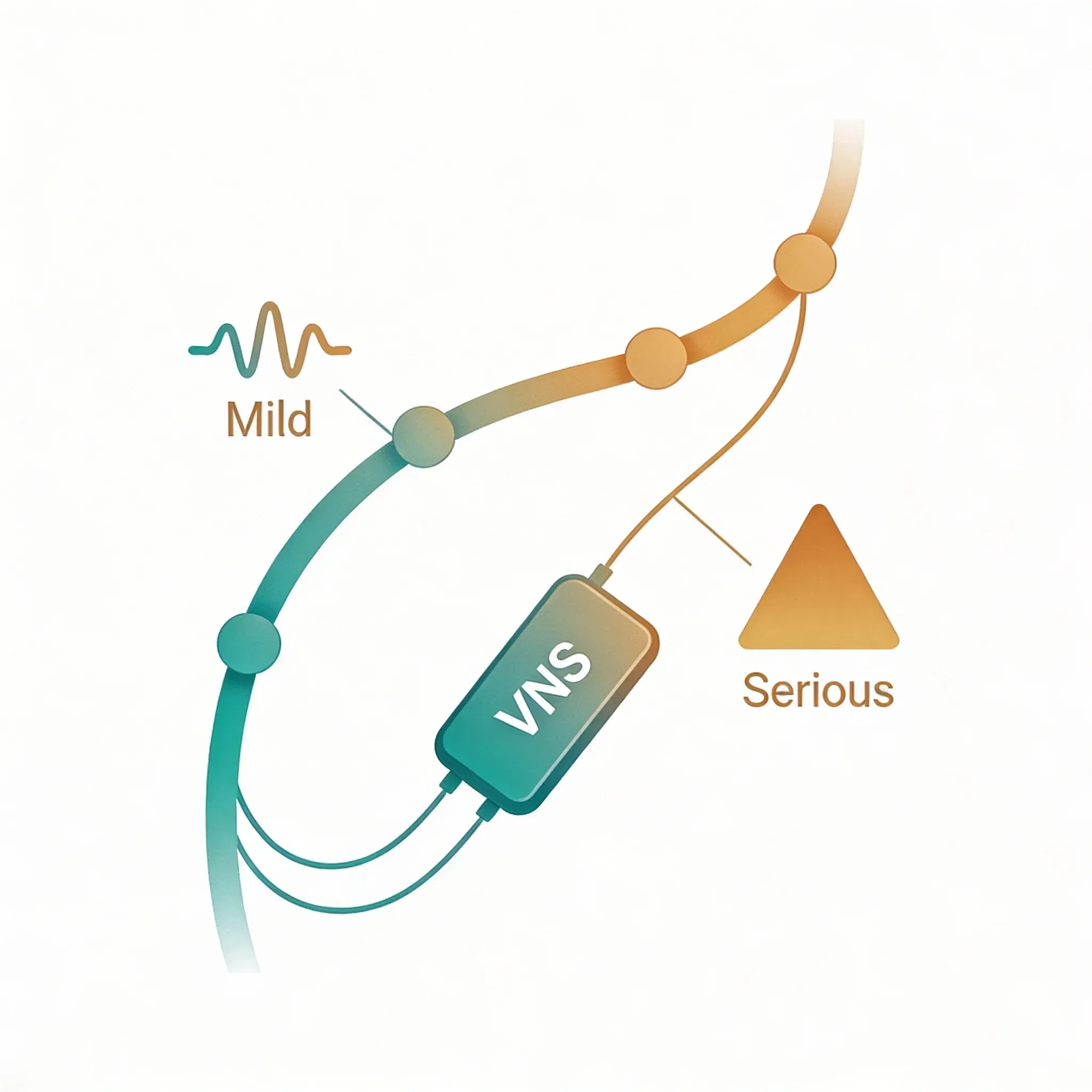
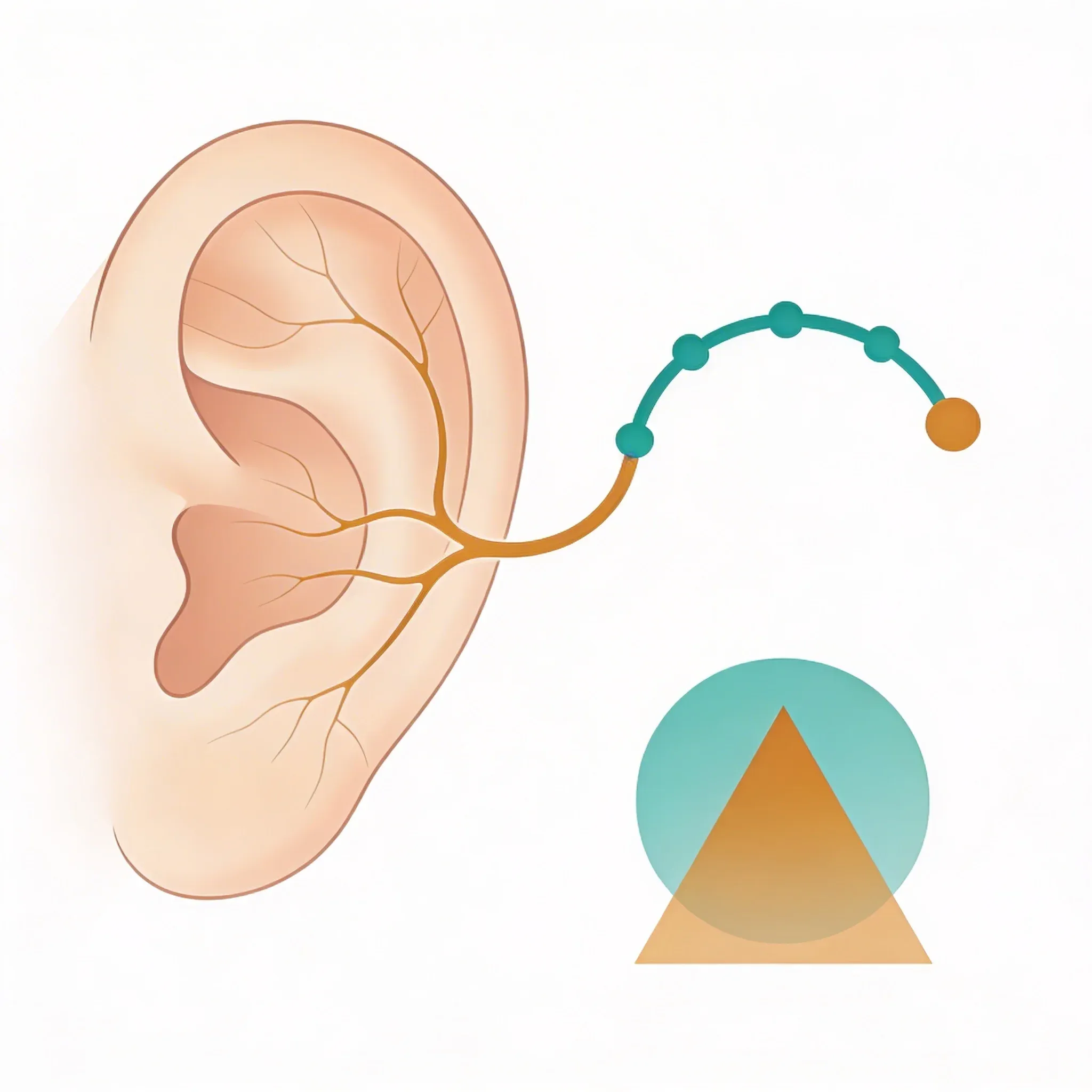
Ear VNS involves placing electrodes on specific points of your ear. This approach is non-invasive and can potentially be done at home with appropriate devices. The ear contains several vagus nerve branches, making it an accessible target for stimulation. Small trials show promise for this method.
Neck VNS stimulates the nerve through the skin on your neck. Some studies combine this with other techniques like magnetic stimulation to potentially enhance effectiveness3. Early studies are ongoing for this approach.
Implanted VNS devices deliver stimulation directly to the vagus nerve through surgically placed electrodes. While more invasive, they may provide more consistent stimulation. However, most implanted VNS research focuses on epilepsy and depression rather than pain management.
Researchers are still determining optimal stimulation parameters. Some people may respond better to daily sessions, while others might benefit from longer but less frequent treatments.
Is VNS Safe for Pain Management?
Safety data from current studies suggests that non-invasive VNS approaches are generally well-tolerated. The 2025 study examining single-session VNS found no significant safety concerns when monitoring heart rate and pain responses3.
However, most safety data comes from short-term studies. Extensive long-term safety information for using VNS devices specifically for pain management is not yet available.
Side effects from skin-based VNS are typically mild and may include:
- Skin irritation at electrode sites
- Temporary tingling sensations
- Mild headache in some users
Implanted VNS devices carry additional risks associated with surgical procedures, but these are primarily being researched for other medical conditions.
It's worth noting that timing and individual response to vagus nerve stimulation can vary significantly between people. Understanding when to use vagus nerve stimulation for maximum calm principles may also apply to pain management applications.
Practical Considerations for Pain Management
If you're dealing with chronic pain, here's what current research suggests along with specific steps you can take:
Basic evaluation criteria:
- VNS may offer a drug-free option worth discussing with your healthcare provider
- Non-invasive approaches (ear/neck stimulation) appear to have minimal side effects
- Current evidence is promising but still in early stages
- Established pain treatments remain the gold standard until larger studies confirm VNS effectiveness
When evaluating VNS devices:
- Look for FDA registration (even if not approved for pain)
- Check for published clinical studies on the specific device
- Verify the company provides clear usage instructions and safety warnings
- Ensure customer support and return policies are available
Red flags to avoid:
- Devices making cure or treatment claims for pain conditions
- Companies without clear contact information or medical credentials
- Unrealistic promises of immediate or guaranteed pain relief
- Devices requiring ongoing expensive consumables without clear benefit evidence
Tracking your progress:
- Keep a daily pain diary with 1-10 scale ratings
- Note timing of VNS use and any changes in pain levels
- Track sleep quality and overall function, not just pain intensity
- Document any side effects or unusual responses
- Plan for at least 4-6 weeks of consistent use before evaluating effectiveness
The connection between VNS and heart rate variability improvements may provide insights into predicting who might benefit most from this approach. Better heart rate variability often correlates with improved stress resilience and pain management capacity.
What's Next for VNS Pain Research?
The field is moving toward larger, more rigorous clinical trials. Researchers are working to standardize protocols and identify which pain conditions respond best to different VNS approaches.
Future studies will likely focus on:
- Comparing different stimulation parameters and settings
- Testing combination therapies (VNS plus other pain treatments)
- Identifying biomarkers that predict treatment response
- Collecting long-term safety and effectiveness data
Talk to your doctor before considering VNS as part of your pain management plan. While the research shows promise, established pain treatments remain the gold standard until larger studies confirm VNS effectiveness for specific pain conditions.