How Your Vagus Nerve Acts as Your Body's Anti-Inflammation Switch
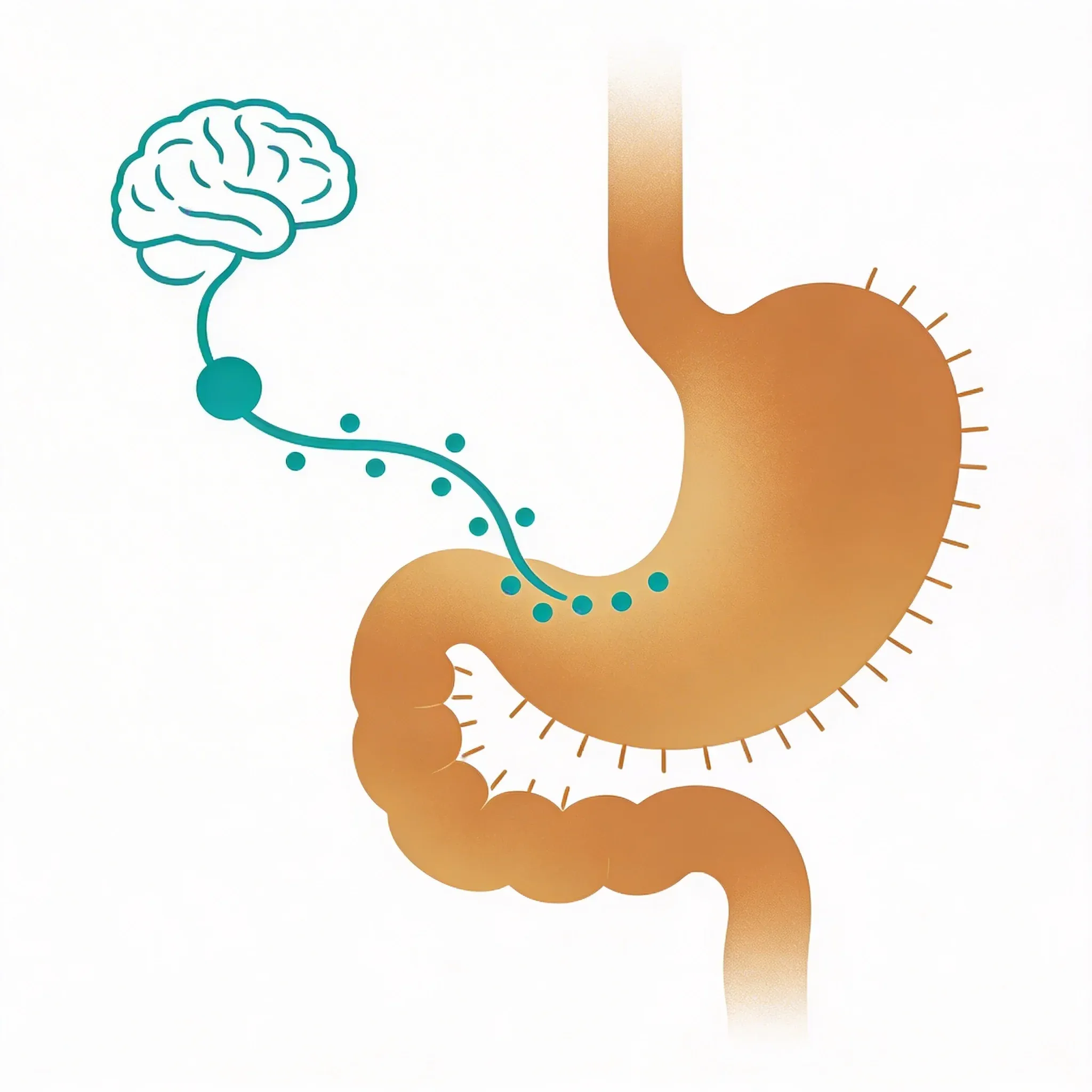
Your vagus nerve has a secret superpower: it can talk directly to your immune cells and tell them to calm down. This happens through something called the cholinergic anti-inflammatory pathway. When your vagus nerve releases a chemical messenger called acetylcholine, it binds to special spots on immune cells. This reduces inflammation throughout your body.
This discovery changed how scientists think about inflammation. Your brain doesn't just sit back and watch your immune system work. It actively watches inflammation levels. And it steps in when things get out of hand.
What Is the Cholinergic Anti-Inflammatory Pathway?
Think of the cholinergic anti-inflammatory pathway as your body's built-in fire department. When inflammation starts anywhere in your body, your vagus nerve can detect it. Then it responds.
Here's how it works:
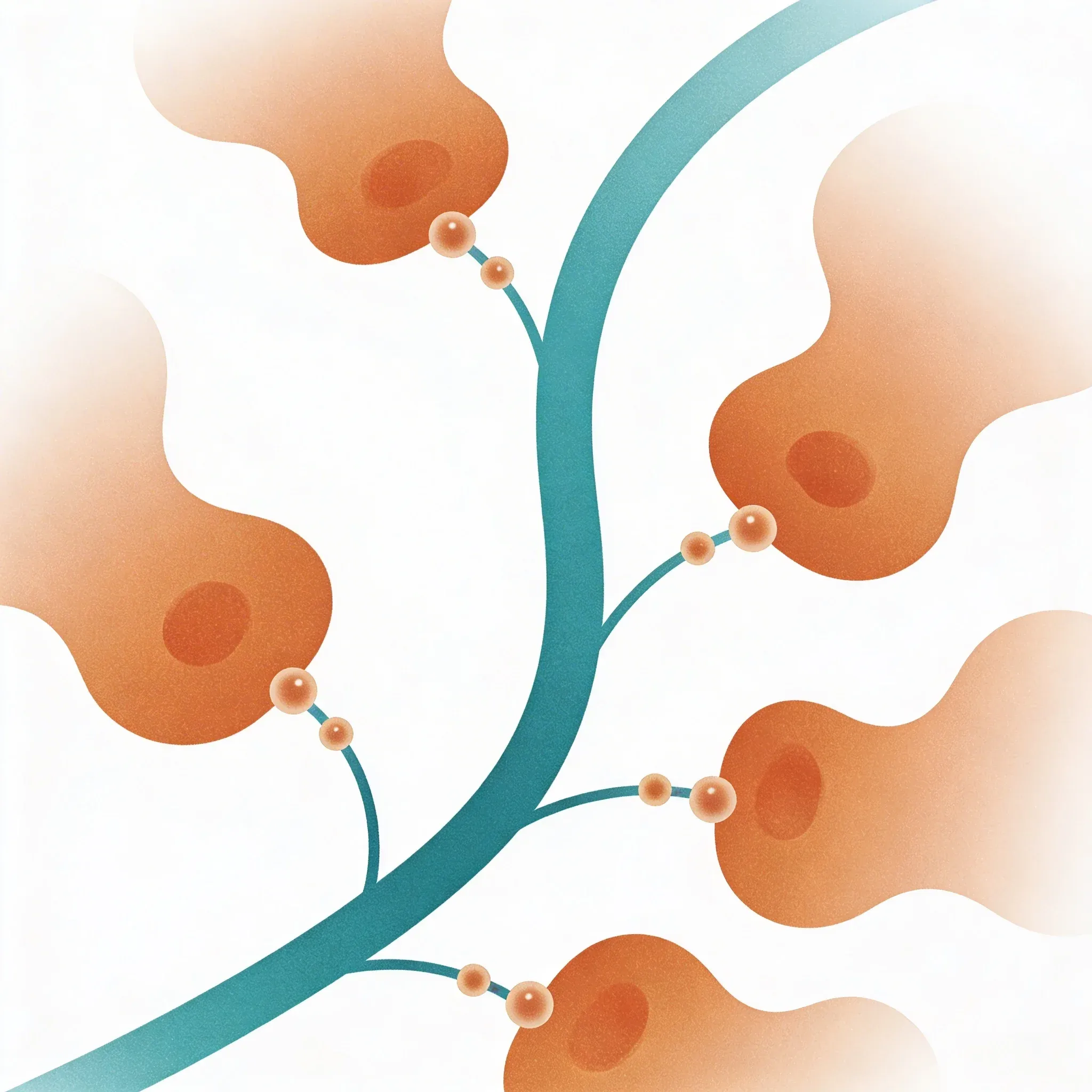
Your vagus nerve releases acetylcholine. This is a neurotransmitter that normally helps muscles contract and neurons communicate. But acetylcholine has another job. It can bind to specific spots on immune cells called alpha-7 nicotinic acetylcholine receptors (α7nAChR).
When acetylcholine latches onto these spots, it's like flipping a switch. The immune cells shift from "attack mode" to "calm mode." They stop pumping out inflammatory chemicals. And they start promoting healing instead.
This creates a natural feedback loop. Your brain watches inflammation through the vagus nerve. Then it uses the same nerve to send anti-inflammatory signals back to where they're needed.
How Does Your Vagus Nerve Control Inflammation?
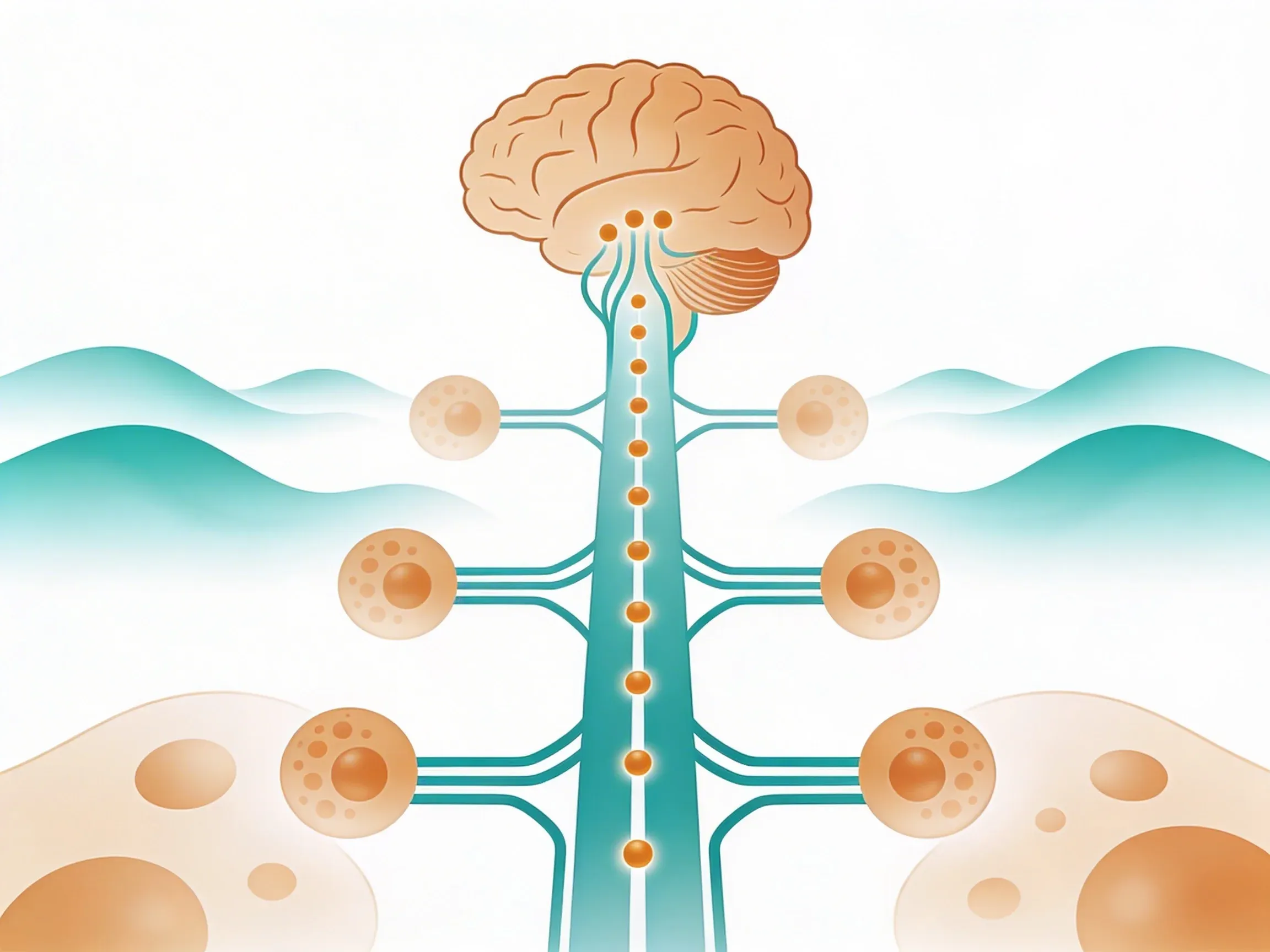
Your vagus nerve doesn't just carry signals in one direction. It's a two-way highway between your brain and the rest of your body.
The inflammation control process works like this:
Step 1: Detection
Special sensors throughout your body detect inflammatory signals. These sensors send "alert" messages up the vagus nerve to your brain.
Step 2: Processing
Your brain processes this information. It decides whether the inflammation level is right or too much.
Step 3: Response
If inflammation is too high, your brain sends anti-inflammatory signals back down the vagus nerve. It uses acetylcholine as the messenger.
Step 4: Action
Acetylcholine binds to spots on immune cells. This tells them to reduce inflammatory output and switch to repair mode.
Recent research suggests this system is incredibly precise. It can target specific areas of inflammation. And it doesn't suppress your entire immune system1.
What Makes This Pathway So Important?
Here's the thing: long-term inflammation underlies many health problems. When your immune system stays in "high alert" mode for too long, it can damage healthy tissue.
The cholinergic anti-inflammatory pathway gives your body a way to pump the brakes on runaway inflammation. It's like having an automatic shut-off valve. This prevents your immune system from going overboard.
This pathway appears to be especially important for:
- Joint inflammation and pain
- Digestive inflammation
- Heart and blood vessel inflammation
- Brain inflammation
Early studies show that when this pathway works well, it can help reduce pain and tissue damage1. The key mechanism seems to involve something called the α7nAChR-P2RX7 axis. This is basically a molecular switch that controls inflammatory pain responses. The P2RX7 part is another receptor on immune cells that works with the α7nAChR receptor to fine-tune the anti-inflammatory response.
Can You Activate This Anti-Inflammatory Response?
The exciting part is that research suggests you might be able to influence this pathway. When scientists stimulate the vagus nerve, they can activate the cholinergic anti-inflammatory response.
Some fascinating recent research found that even gentle belly ultrasound can activate vagus nerve fibers. This triggers anti-inflammatory effects2. This suggests the pathway is more accessible than scientists originally thought.
But there's a catch. This research is still very new. We're learning about these mechanisms. But we don't yet know the best ways to consistently activate them. And we don't know how effective different approaches might be.
For now, the most proven way to support vagus nerve function is through natural ways to activate your anti-inflammatory response. This might include:
- 4-7-8 breathing for 5 minutes: Inhale for 4 counts, hold for 7, exhale for 8
- Cold water face plunging for 30 seconds: Fill a bowl with cold water (50-60°F) and immerse your face from temples to chin
- Vagus nerve stimulation techniques
Timing for anti-inflammatory benefits: Practice these techniques 2-3 times daily. For acute inflammation, try them every 2-3 hours. For long-term support, consistent daily practice may be more beneficial than occasional intense sessions.
How Long Does the Anti-Inflammatory Response Take?
The speed of the cholinergic anti-inflammatory pathway is one of its most impressive features. Other anti-inflammatory processes can take hours or days. But this neural pathway can begin working within minutes.
When acetylcholine binds to immune cell spots, the anti-inflammatory response starts almost right away. But the full effects of reducing inflammation throughout the body may take longer to become noticeable.
The timeline probably depends on:
- How widespread the inflammation is
- How long it's been present
- How well your vagus nerve is functioning overall
- Your individual immune system response
Think about it this way: the signal to calm down travels at nerve speed (very fast). But actually reducing inflammation and repairing tissue takes time.
What Affects This Pathway?
Your cholinergic anti-inflammatory pathway doesn't work alone. Several factors can influence how well it functions:
Stress appears to be a major player. Long-term stress can hurt vagus nerve function. This might reduce your body's ability to naturally control inflammation.
Age may also matter. Some research suggests that vagus nerve function can decline as we get older. This potentially makes this anti-inflammatory pathway less effective.
Overall health status plays a role too. Conditions that affect nerve function or immune system balance might interfere with this communication pathway.
The good news? Emerging research suggests this pathway might be trainable. Activities that support heart rate variability and vagus nerve function may help maintain this natural anti-inflammatory system.
Bottom Line: Your Natural Anti-Inflammatory Toolkit
Your vagus nerve gives you a built-in way to help manage inflammation. Here are the key takeaways:
Practice daily activation: Use 4-7-8 breathing or cold water face plunging 2-3 times daily. These simple techniques may help support your natural anti-inflammatory pathway.
Be patient with results: The nerve signals work quickly (within minutes), but reducing widespread inflammation takes time. Stick with consistent practice rather than expecting immediate dramatic changes.
Support overall vagus nerve health: Managing stress, getting good sleep, and maintaining healthy habits all contribute to how well this pathway functions over time.