How VNS Changes Your Sleep Stages (What Research Shows)
Lying awake at 3 AM, watching your partner sleep peacefully while your mind races? Research suggests vagus nerve stimulation (VNS) may alter your sleep architecture by potentially increasing REM sleep duration and changing slow-wave sleep patterns. Studies show VNS affects different sleep stages in unique ways, with effects depending on stimulation timing and intensity1.
Does VNS Actually Improve Deep Sleep?
The relationship between VNS and deep sleep is more complex than a simple yes or no.
VNS affects slow-wave sleep (your deepest sleep stage) differently than other sleep phases. Some brain changes from stimulation persist even after the device stops working. This suggests VNS creates lasting shifts in how your brain cycles through sleep stages1.
But here's the catch: most research comes from people with epilepsy using implanted VNS devices. Their brain patterns differ from healthy sleepers. So we can't assume the same effects happen in everyone.
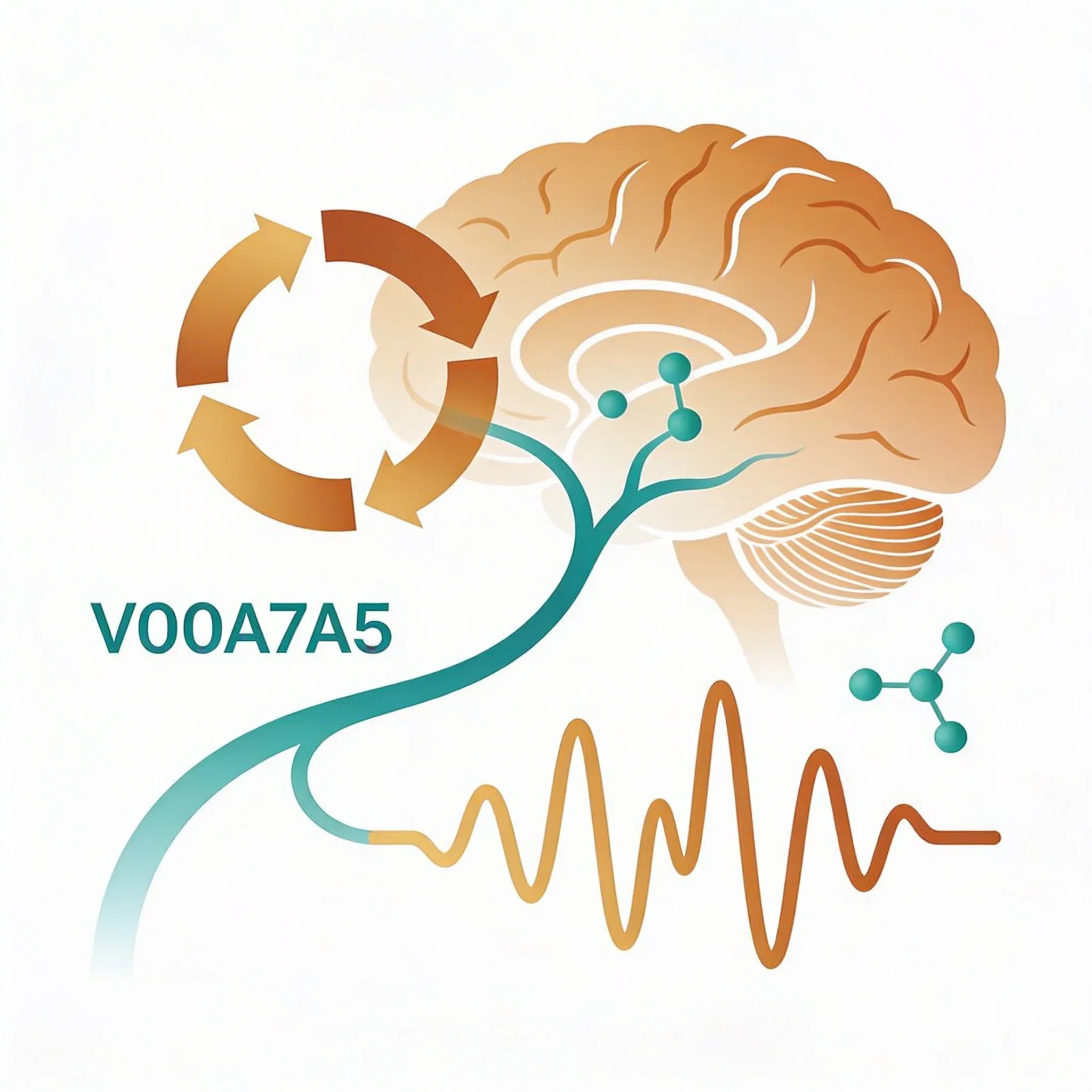
The vagus nerve connects to brain areas that control sleep-wake cycles. When you stimulate this nerve, you're essentially sending signals to your brain's sleep control center. The vagus nerve's afferent pathways project to the locus coeruleus and other brainstem nuclei that regulate sleep-wake transitions. This creates a cascade of neurochemical changes that can shift how your brain moves between different sleep stages.
How Does VNS Affect REM Sleep Specifically?
REM sleep shows the clearest response to vagus nerve stimulation.
Studies suggest that research indicates VNS may increase both how long you spend in REM and how many REM periods you have each night. These changes happen mainly during active stimulation periods1.
Think of your brain's sleep control system like a complex switching station managing multiple train tracks. The vagus nerve acts as a signal operator, sending messages to this central station about which "tracks" (sleep stages) to activate. When you stimulate the vagus nerve, these signals influence the brainstem areas that control REM sleep timing and duration, potentially allowing more REM "trains" to run on schedule.
REM sleep matters for memory consolidation and emotional processing. More REM periods could mean better mental recovery overnight.
However, the effects aren't uniform. Some people see dramatic changes in their REM patterns. Others notice little difference.
What Happens to Sleep Quality During VNS?
Sleep quality with VNS depends heavily on the stimulation settings and your individual response.
Research shows VNS can promote sudden transitions from waking to sleep states. In animal studies, cats with VNS could cycle through complete sleep stages more easily1.
But there's a potential downside. The same vagal pathways that control sleep transitions also influence breathing control centers in the brainstem. When VNS affects these overlapping neural circuits, it may cause sleep-disordered breathing, including sleep apnea, in some people. This risk appears higher in children with epilepsy who use implanted devices2.
Timing your stimulation becomes crucial for sleep benefits. The wrong stimulation schedule could disrupt rather than improve your sleep quality.
Non-invasive vagus nerve stimulation might have different effects than implanted devices. Early research on transcutaneous VNS shows promise for improving sleep quality without the breathing risks.
How Long Do VNS Sleep Changes Take to Appear?
The timeline for sleep changes varies based on the type of stimulation and your starting sleep quality.
Some effects happen quickly. Research shows immediate changes in sleep stage transitions during active stimulation periods1.
Other changes build over time. The brain adaptations from VNS can create lasting shifts in sleep patterns. These plastic changes mean benefits might continue even when stimulation stops.
For people trying transcutaneous VNS for primary insomnia, one study found improvements in sleep quality over several weeks of treatment3.
For optimal results, research suggests using VNS 30-60 minutes before your intended bedtime. This timing allows your nervous system to begin the relaxation response before you try to fall asleep. Daily sessions of 10-20 minutes appear most effective for gradual sleep improvements.
Your nervous system needs time to adapt. VNS creates gradual changes in autonomic function that support better sleep by improving heart rate variability and overall nervous system balance.
What Do We Still Need to Learn About VNS and Sleep?
The research has significant gaps that affect how we interpret the findings.
Most studies focus on epilepsy patients with implanted VNS devices. Their seizure medications and underlying brain changes make it hard to isolate VNS effects on sleep.
We need more research on:
- How non-invasive VNS affects sleep in healthy people
- Optimal stimulation parameters for different sleep goals
- Long-term effects on natural sleep architecture
- Individual factors that predict response to treatment
The stimulation parameters matter enormously. Output current, timing cycles, and frequency all influence how VNS affects your sleep stages1.
Sleep tracking technology could help bridge this gap. Modern devices that measure sleep stages might reveal VNS effects that older studies missed.
Can VNS Cause Sleep Problems?
VNS isn't risk-free when it comes to sleep health.
The most serious concern is sleep-disordered breathing. Some patients develop sleep apnea or worsened breathing patterns during sleep4. This risk appears higher with implanted devices and in pediatric patients. This breathing disruption occurs because vagal stimulation can affect the same brainstem centers that control both sleep transitions and respiratory function.
VNS might also disrupt sleep in people who respond poorly to stimulation. Wrong timing or intensity could interfere with natural sleep cycles.
Talk to your doctor before starting any VNS approach if you have existing sleep disorders. Professional monitoring helps catch problems early and adjust treatment as needed.
Some people find their sleep gets worse before it improves. Your nervous system might need time to adapt to the new stimulation patterns.