When Will VNS Actually Improve Your Sleep? A Realistic Timeline
You've been tossing and turning for months, and now you're wondering if vagus nerve stimulation might help. The honest answer? Most people see sleep improvements within 2-8 weeks of consistent VNS use, though some may need up to 6 months1. Your timeline depends on factors like your sleep issues, the type of VNS you use, and how your nervous system responds.
What Does Research Tell Us About VNS Sleep Timelines?
The most encouraging data comes from a 2022 study of people with primary insomnia. Participants used transcutaneous VNS for 20 minutes twice daily. After just one month, they showed meaningful improvements in sleep quality1.
But here's what makes this realistic: the study didn't promise overnight miracles. Participants built up their practice gradually. Their nervous systems needed time to adapt and respond to the regular vagus nerve activation.
Another trial found that 15 minutes of daily transcutaneous VNS for two weeks improved not just sleep quality, but also heart rate variability and mood2. This suggests your sleep improvements might come alongside other nervous system benefits.
Why VNS Takes Time to Affect Sleep
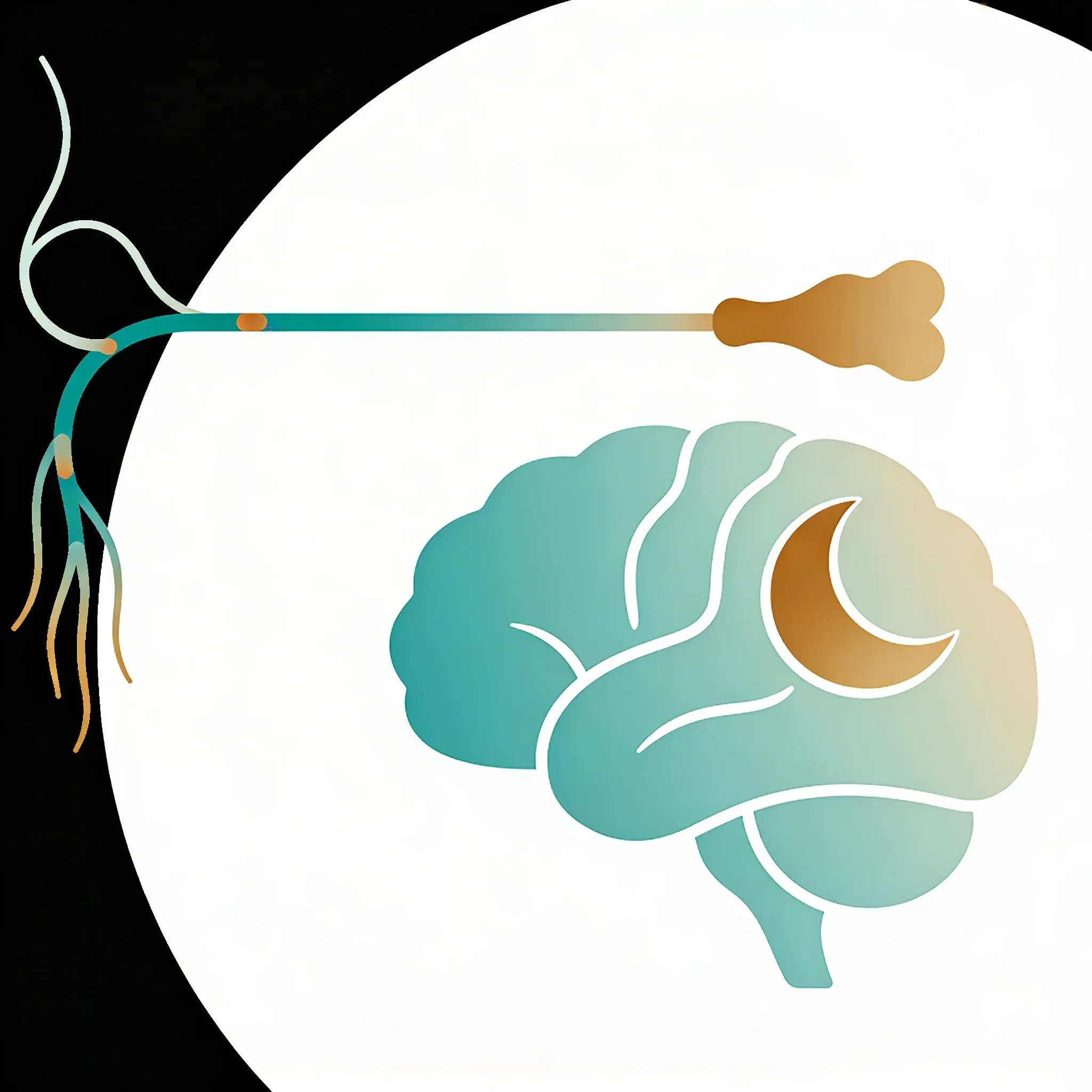
Your vagus nerve connects to several brain regions that control sleep and wake cycles. These include the nucleus tractus solitarius, parabrachial nucleus, and locus coeruleus. Think of VNS as slowly teaching these regions to work together more smoothly.
Each time you stimulate your vagus nerve, you're sending signals that help stabilize the neural networks involved in sleep architecture. But your brain needs repetition to build new patterns. It's like training a muscle -- consistency matters more than intensity.
This is why some people notice changes within two weeks while others need months. Your baseline stress levels, sleep debt, and overall nervous system health all influence how quickly you respond.
What to Expect Week by Week
Weeks 1-2: You might feel more relaxed during or after VNS sessions, but sleep changes may be subtle. Some people report feeling calmer at bedtime.
Weeks 3-4: This is when many people start noticing they fall asleep a bit easier or wake up less frequently during the night.
Weeks 5-8: Sleep quality improvements often become more noticeable. You might wake up feeling more rested or notice your heart rate variability improving during sleep.
Months 3-6: For people who need longer timelines, this is when deeper sleep architecture changes typically emerge.
Keep in mind: these timelines come from research, but everyone's different. Some people see changes faster. Others need more time. And unfortunately, VNS won't work for everyone seeking sleep improvements.
How to Know If VNS Is Working for Your Sleep
The changes often start small. You might notice:
- Falling asleep takes less mental effort
- You wake up fewer times during the night
- Morning grogginess fades more quickly
- You feel more rested even if total sleep time hasn't changed much
Some people track their progress with wearable devices that measure sleep stages or HRV. But pay attention to how you feel too. Research shows VNS affects sleep quality, which doesn't always show up in data.
When to Adjust Your Approach
If you're not seeing any sleep improvements after 8 weeks of consistent use, consider these factors:
Timing matters. Some people get better results using VNS 30-60 minutes before bedtime rather than earlier in the day. If you're curious about optimal timing for different goals, that can help you experiment.
Consistency beats intensity. Daily 15-20 minute sessions typically work better than longer, sporadic sessions.
Other sleep hygiene factors. VNS works best when combined with good sleep habits like consistent bedtimes and limiting screen time before bed.
The bottom line?
VNS for sleep is a gradual process, not a quick fix. Most people see meaningful improvements within 2-8 weeks of daily use, though some need longer. The key is setting realistic expectations and staying consistent with your practice. If you're dealing with chronic sleep issues, talk to your doctor about whether VNS fits into a broader sleep improvement strategy.