Can Vagus Nerve Stimulation Really Sharpen Your Focus?
Can't concentrate past lunch? Mind wandering during important meetings? You're not alone. Research suggests vagus nerve stimulation might influence focus through brain pathway activation. These pathways release acetylcholine and norepinephrine -- two brain chemicals vital for attention and mental performance. Studies in epilepsy patients have shown better brain function after VNS, leading scientists to explore its potential for sharper focus1.
How Does Vagus Nerve Stimulation Affect Brain Focus?
When your vagus nerve gets stimulated, it triggers activity in your brainstem. The signal first hits a region called the nucleus of the solitary tract (NTS). Think of this as a traffic controller that prioritizes urgent messages to higher brain regions while filtering out routine noise.
The NTS connects to areas involved in attention and focus. This includes parts of your limbic system and cerebral cortex2. These connections matter because they control how well your brain can filter distractions. They also help maintain sustained attention.
What makes this interesting is the brain chemical release that follows. VNS turns on pathways that pump out acetylcholine. This brain chemical directly ties to memory, attention, and motivation. It also influences norepinephrine levels through connections to the locus coeruleus -- your brain's arousal center2.
This isn't just theory. Doctors have watched epilepsy patients receiving implanted VNS devices. These patients show real improvements in brain function. That's what got researchers interested in VNS for focus boost in the first place1.
What Happens in Your Brain During VNS?
Your brain uses two types of firing patterns to control attention. Tonic firing creates steady background activity that maintains your overall attention state. Phasic firing makes quick bursts linked to decision-making and learning moments.
VNS influences both patterns2. The steady acetylcholine release helps maintain your baseline focus. Meanwhile, the phasic bursts help you zero in when something important needs your attention.
Here's where it gets more interesting:
VNS appears to promote neuroplastic changes. This basically means rewiring your sensory pathways to process information better. This happens through the acetylcholine system. It acts like fertilizer for brain connections3.
Early research also suggests VNS might alter the balance between feed-forward and feedback brain pathways. Feed-forward pathways push information up from your senses. Feedback pathways send information back down from higher brain regions. The balance between these decides how well you can sustain attention on what matters2.
Can VNS Help With Focus Problems?
The honest answer? We're still figuring this out.
Most research comes from people with epilepsy who got implanted VNS devices for seizure control. These patients often report better focus and brain function as a side benefit. But that's different from studying VNS just for focus boost in healthy people.
Here's what we do know:
The brain pathways VNS turns on are the same ones involved in attention disorders like ADHD. The acetylcholine and norepinephrine systems that VNS influences are exactly what many ADHD medications target. VNS just uses a different route1.
Some research shows VNS might help with brain inflammation that can affect mental function. Long-term inflammation in the brain can fog your thinking. It makes focus harder. VNS appears to reduce this inflammatory activity1.
But here's the catch: most evidence comes from invasive devices surgically placed in the chest. Non-invasive vagus nerve stimulation -- the kind you can do at home with devices or breathing techniques -- may work differently.
How Long Does It Take to See Focus Improvements?
This varies quite a bit from person to person.
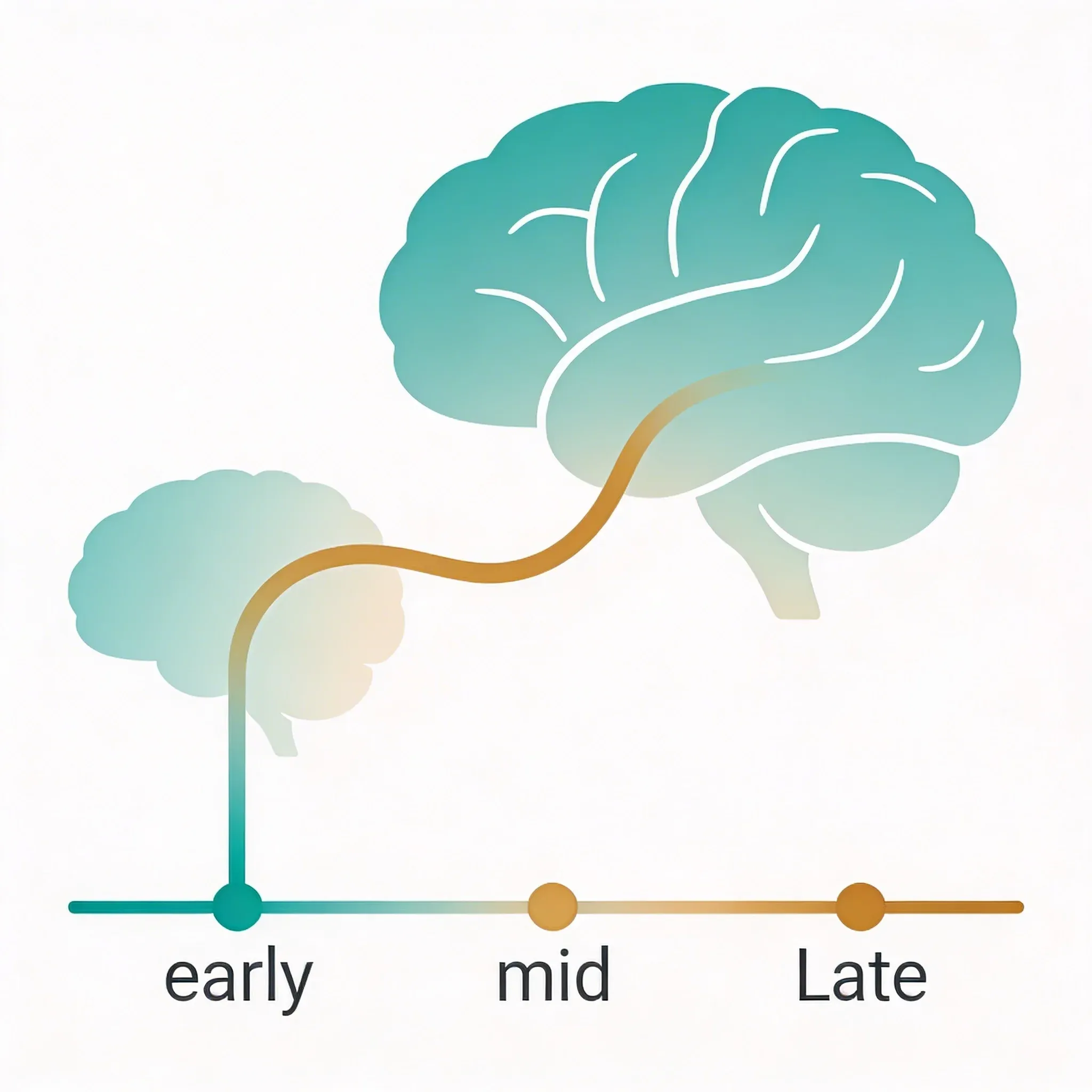
Some of the brain chemical changes happen relatively quickly. Research shows VNS can make rapid effects on sensory processing through the systems we talked about2. You might notice some difference in how sharp you feel within sessions.
But the neuroplastic changes -- the rewiring that leads to lasting improvements -- take longer to develop. These structural changes in how your brain processes attention could take weeks or months of regular practice.
Timing your VNS sessions strategically can maximize these benefits. Most people find VNS works best as preparation before demanding mental work, as detailed in VNS timing protocols for mental performance enhancement.
One thing to keep in mind: individual responses vary a lot. Some people seem to respond quickly to vagal stimulation. Others need more time to see mental benefits.
Are There Different Ways to Stimulate Your Vagus Nerve for Focus?
You have several options. Each has different research backing and specific protocols:
Deep breathing exercises work by turning on your vagus nerve through the diaphragm. Try 4-7-8 breathing: inhale for 4 counts, hold for 7, exhale for 8. Practice for 10-15 minutes, 2-3 times daily. This is the most accessible method, though research on focus benefits is limited compared to general stress reduction.
Cold exposure triggers the dive reflex through sudden temperature changes, which activates vagal pathways and may enhance alertness. Start with 30-second cold shower finishes, gradually building to 2-3 minutes. The shock activates your sympathetic nervous system initially, then triggers a strong vagal rebound that some people report as enhanced mental clarity.
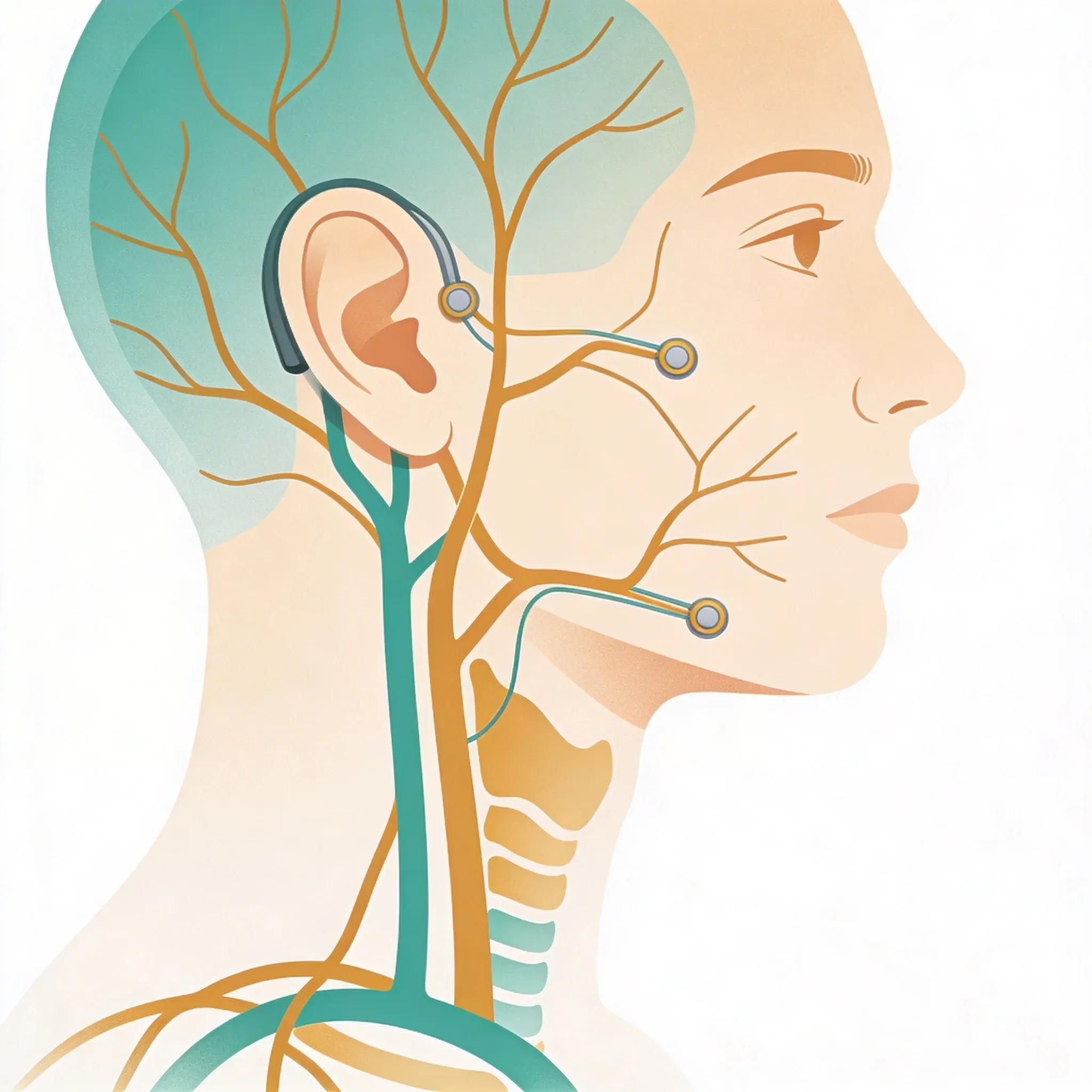
Non-invasive VNS devices deliver targeted electrical pulses to vagus nerve pathways through the ear. Most protocols suggest 20-30 minute sessions, 1-2 times daily. These give more consistent stimulation than breathing techniques. But research on mental benefits in healthy people is still developing.
Invasive VNS involves surgically implanted devices. This is only used for medical conditions like epilepsy. But it's where most of our focus-related research comes from.
The key difference is consistency and intensity. Implanted devices deliver precise, regular stimulation. Natural methods and non-invasive devices may give gentler, more variable effects.