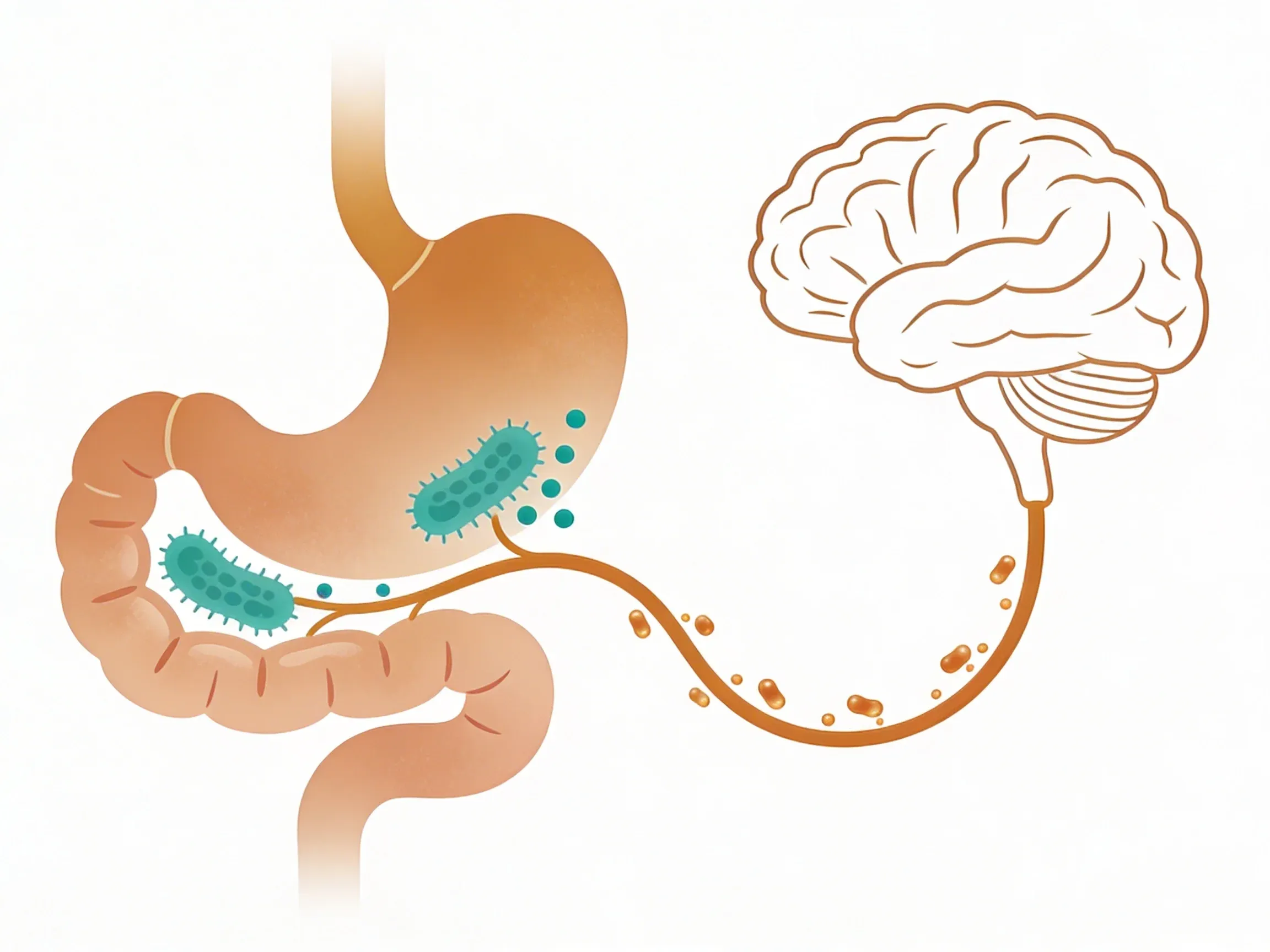
How Gut Bacteria Talk to Your Brain Through the Vagus Nerve
Your gut bacteria don't just help you digest food. They actively send messages to your brain through your vagus nerve. Research shows these tiny organisms use special gut cells to release brain chemicals like serotonin. This creates a direct highway between your gut and brain that affects mood, behavior, and thinking1.
What Makes the Vagus Nerve Perfect for Gut-Brain Talk?
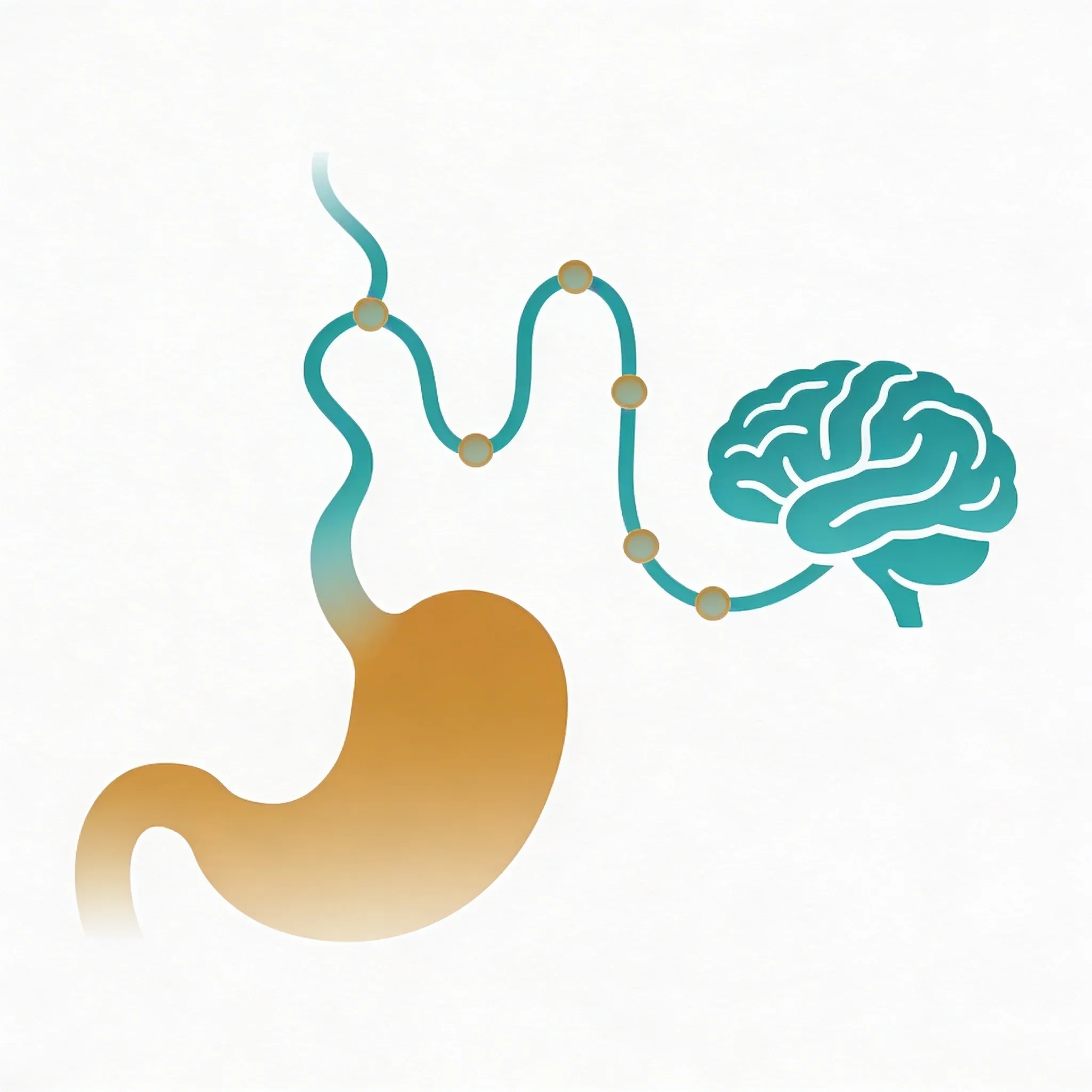
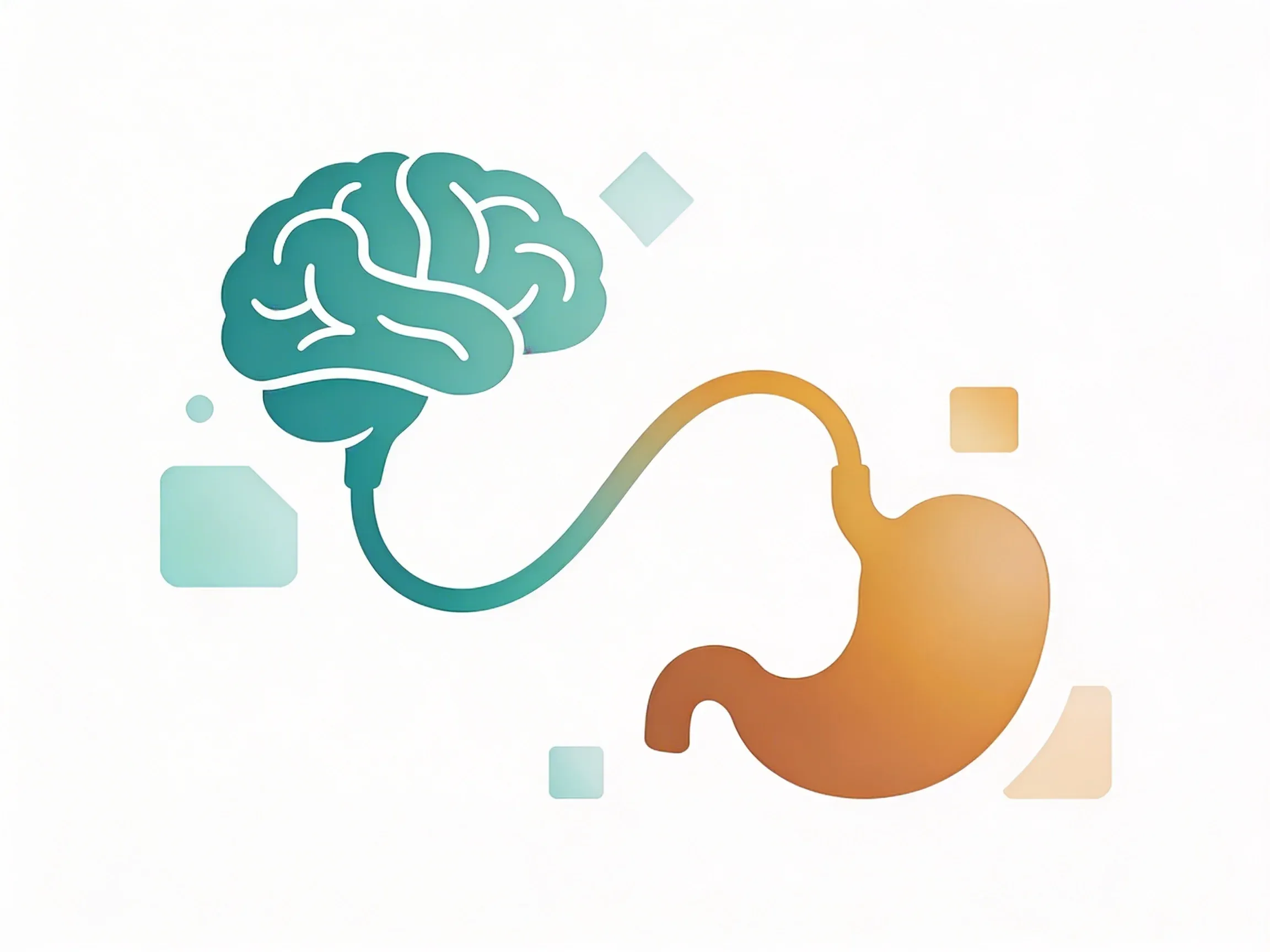
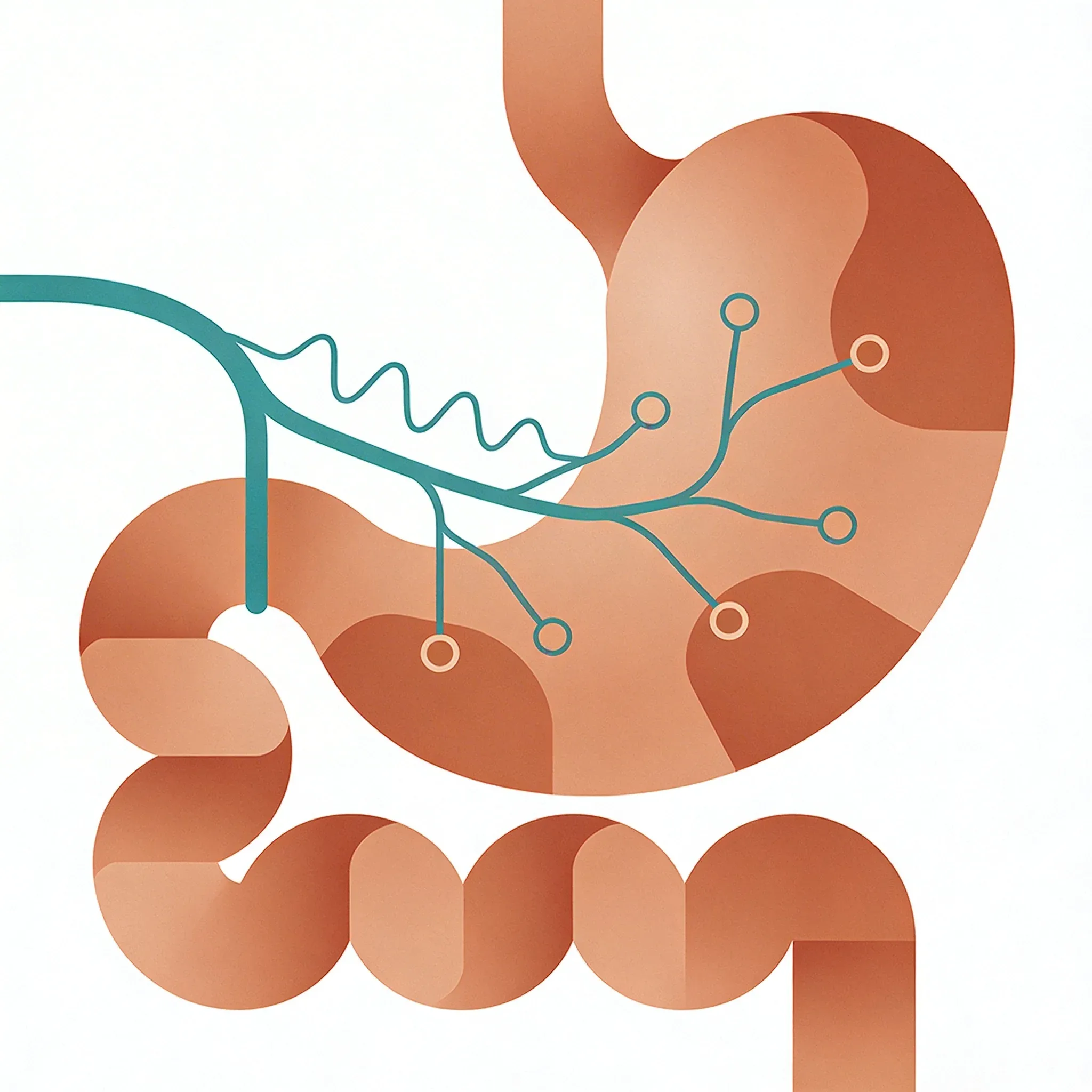
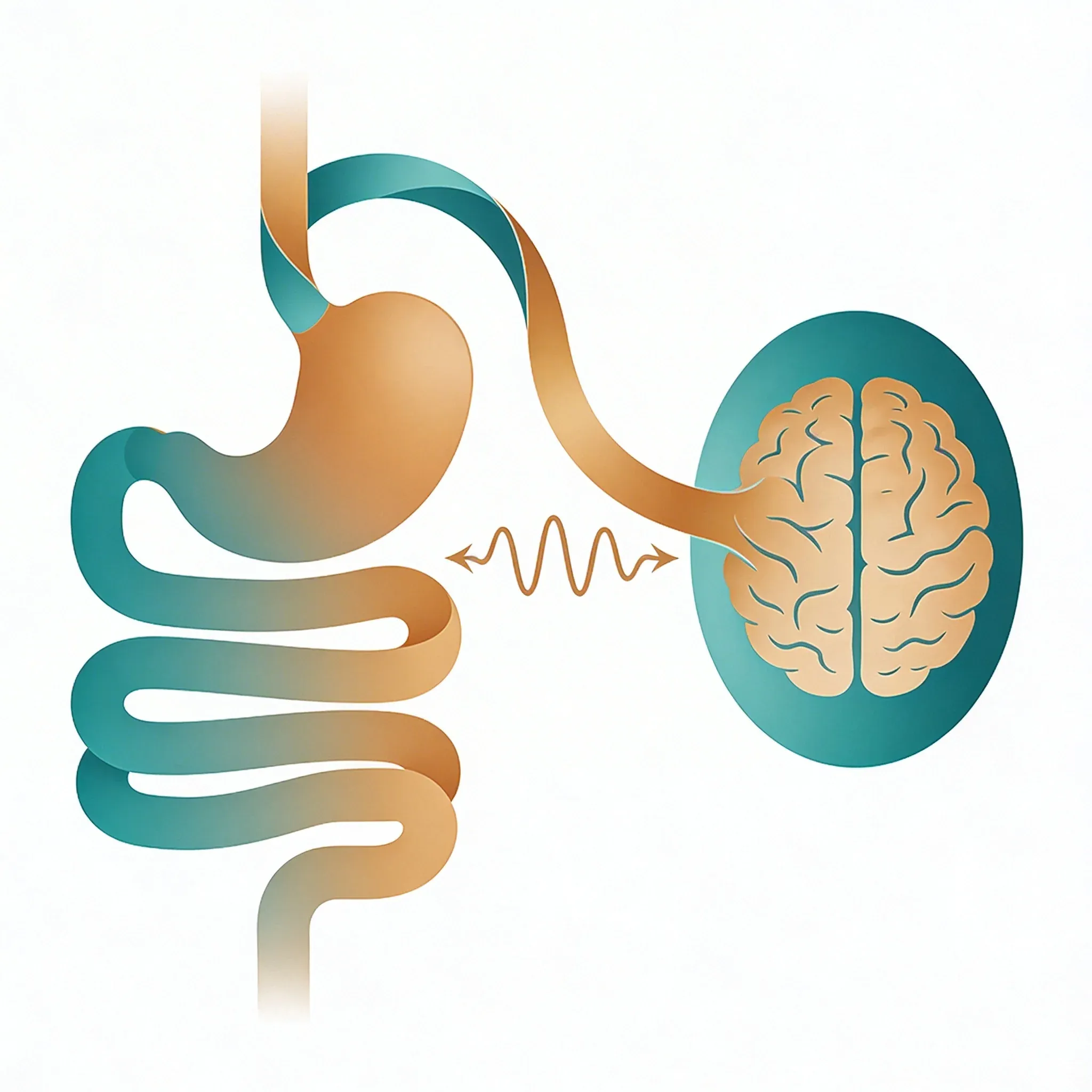
Your vagus nerve acts like a two-way highway connecting your gut to your brain. But here's what makes it special: it has direct links to special cells in your gut lining called enteroendocrine cells.
These cells work as translators. When gut bacteria release chemical signals, these cells detect them. They respond by releasing hormones and brain chemicals. These messages then travel up the vagus nerve to brain areas like the hippocampus. This brain region controls mood and memory2.
Think of it like a phone system. Your bacteria are the callers. The gut cells are the operators. The vagus nerve is the phone line to your brain.
How Do Gut Bacteria Actually Send Brain Signals?
Gut bacteria talk to your brain through several smart tricks. The most important ones involve bacterial metabolites. These are chemical byproducts that bacteria make as they break down food.
Short-chain fatty acids (SCFAs) are one key messenger. When good bacteria break down fiber, they make these compounds. SCFAs then stick to special spots on gut cells. This triggers the release of gut hormones like GLP-1 and cholecystokinin3.
These hormones don't just affect digestion. They travel up the vagus nerve and change brain chemistry directly.
Here's the thing: bad bacteria send different signals. When harmful bacteria take over, they can release compounds like lipopolysaccharides (LPS). These trigger inflammation - your body's response to threats that causes redness, swelling, and irritation. These inflammatory signals also reach the brain via vagal paths. They may add to mood problems and brain fog.
What Happens When Your Gut Microbiome Goes Silent?
Researchers found something amazing when they studied germ-free mice. These are animals raised without any gut bacteria. These mice had much lower vagus nerve activity compared to mice with normal gut bacteria1.
This tells us that gut bacteria don't just influence the vagus nerve. They're needed for normal vagal function.
When your microbiome becomes unbalanced, this talk system breaks down. The wrong bacteria start taking over. They send inflammatory signals instead of helpful ones. Your vagus nerve still carries these messages to your brain. But now they're telling your brain something's wrong.
Some researchers think this broken talk may add to sadness and other mental health problems. But this area needs more human research.
Can You Strengthen This Gut-Brain Connection?
The good news? This talk system responds to what you do. Several things can support healthy vagus nerve-gut bacteria talk:
Fiber-rich foods feed good bacteria that make helpful SCFAs. Think vegetables, fruits, beans, and whole grains. Aim for 25-30 grams daily to give your good bacteria enough fuel.
Fermented foods bring good bacteria directly. Yogurt, kefir, sauerkraut, and kimchi all give live cultures.
[Vagus nerve stimulation](/articles/when-to-use-vns-for-calm) may work both ways. It supports both nerve function and healthy microbiome balance. But research on this is still early.
Stress management matters too. Long-term stress hurts both vagus nerve function and gut bacteria balance. Practices that turn on your vagus nerve may support the whole system. These include deep breathing or heart rate variability training.
But there's a catch. People respond differently. What works for one person's microbiome might not work for another's. The timing also matters. Microbiome changes can take weeks to months to show effects on brain function.
Why This Research Changes Everything About Mood and Digestion
This gut-brain talk path helps explain why gut issues and mood problems often go together. It's not just stress affecting your stomach. Your gut bacteria are literally talking to your brain.
When this system works well, good bacteria send calming, mood-supporting signals. When it's broken, inflammatory signals can reach brain regions that control mood and thinking.
Most human studies on this pathway have emerged in the last 5-10 years, especially in humans. Most of what we know comes from animal studies. But the direction is clear: your gut microbiome and vagus nerve work together as one talk network.
That network influences not just digestion. It affects mood, stress response, and mental clarity. Understanding this connection opens new ways to support both gut health and brain function through the same paths.